
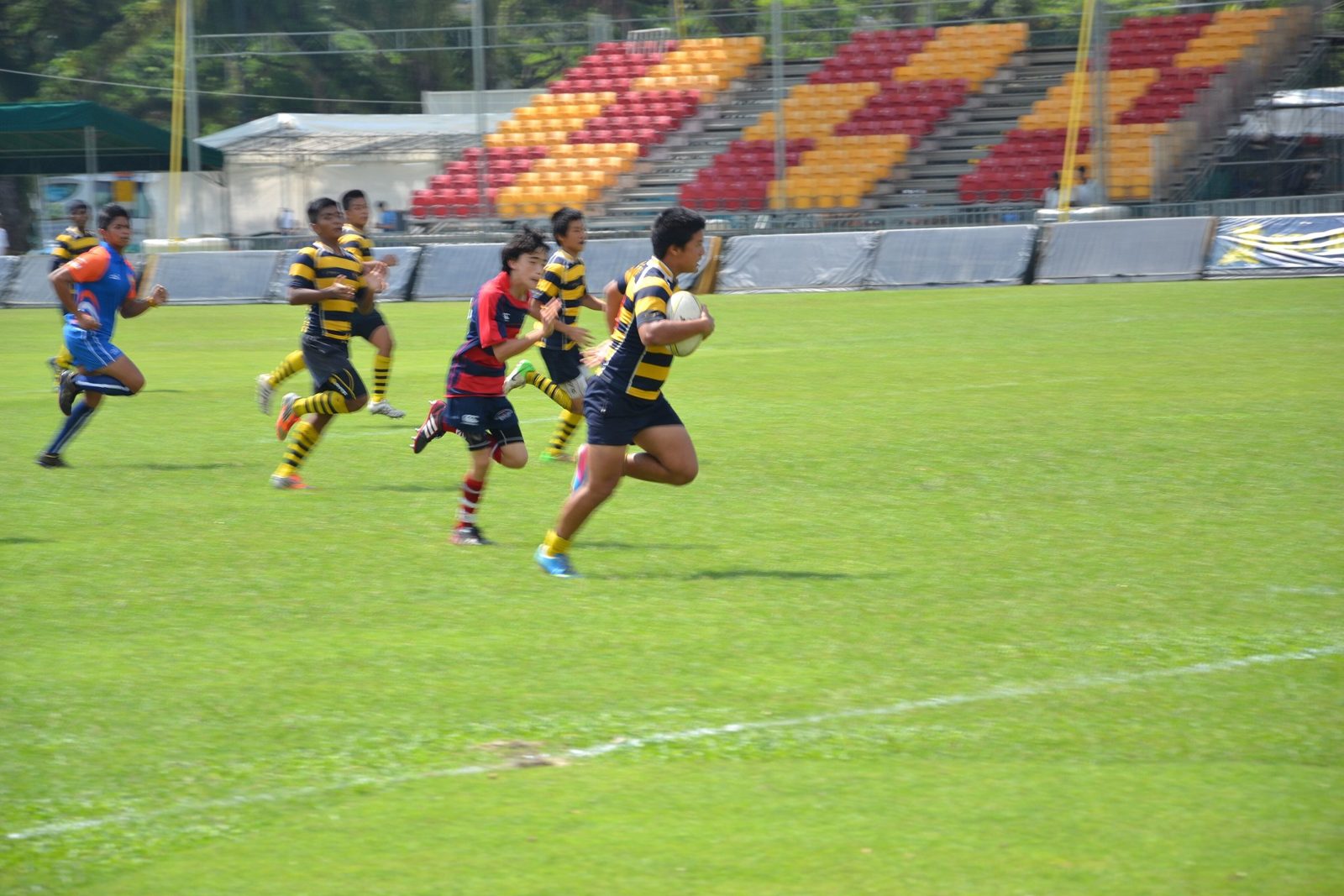
Photo: Simon_sees. / Wikimedia Commons, CC BY 2.0
School Sports Tours Overseas: How to Choose the Right Destination
An overseas school sports tour is often the highlight of a student's school years. Players train with new coaches, play teams they would never meet at home, and see a new country together. But the first big decision, where to go, shapes everything else: cost, time out of class, the level of competition and what students learn off the field.
This guide is for sports coordinators, heads of sport, PE teachers and parent committees planning school sports tours overseas. It covers how to match a destination to your sport, a sample itinerary, and a timeline that fits the school approval process.
Start with your sport, not the map
The best school sports tours are built around the sport first. A destination that is great for football might be a poor choice for netball. Ask three questions before you look at a single brochure:
1. Where is our sport strong? You want quality training and opposition at your students' level.
2. When can we travel? School holidays limit your window, and the season at the destination matters.
3. How far can we go? Long-haul flights add cost and jet lag, which affects younger players most.
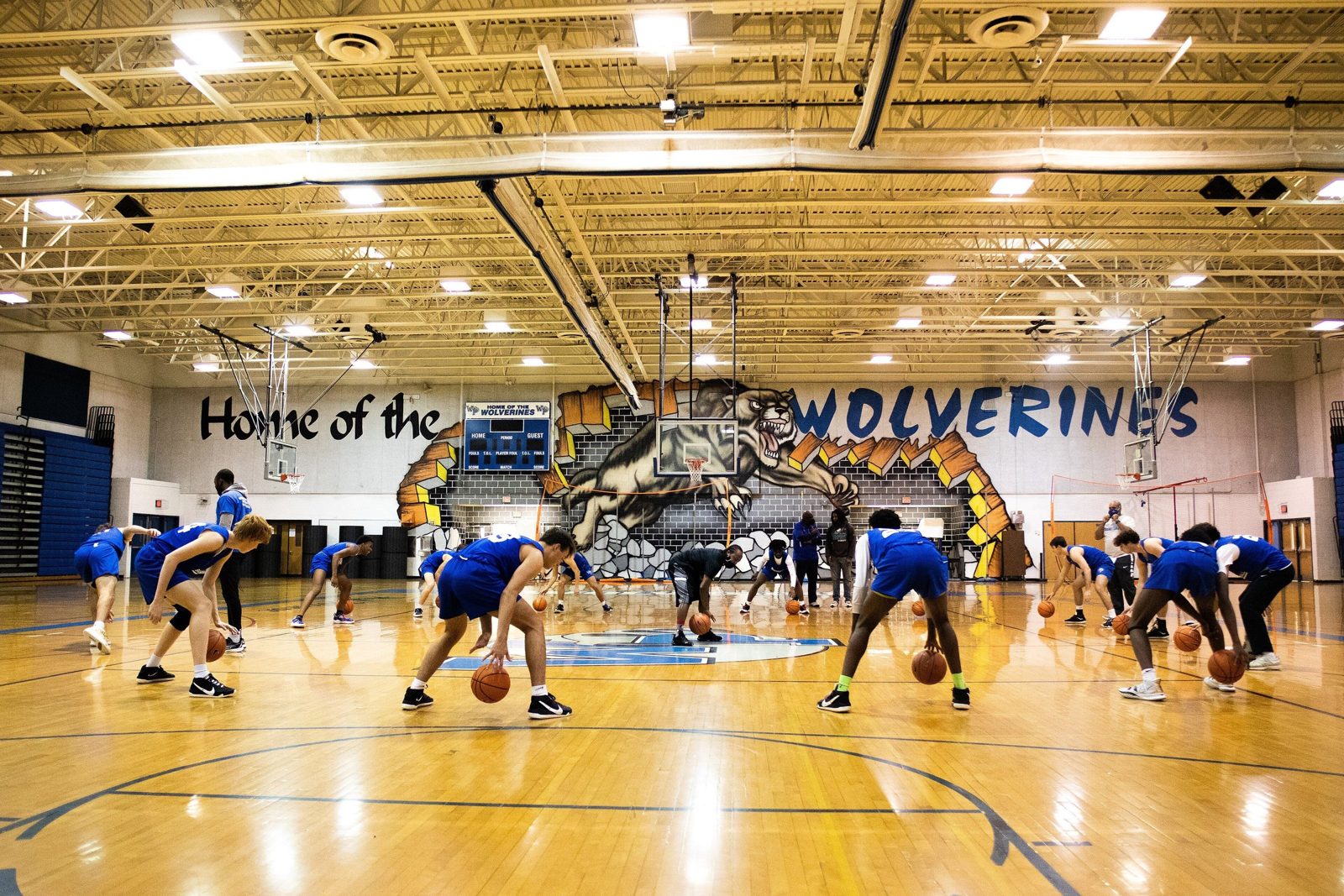
School sports tour destinations by sport
| Sport | Destinations to consider | Why they work |
|---|---|---|
| Football (soccer) | Spain, England, Italy, Portugal, Japan | Strong youth academies, plenty of school and club teams to play |
| Rugby | England, Ireland, France, Fiji, Argentina | Deep school rugby culture and regular school fixtures |
| Netball | England, New Zealand, Singapore | Organised school and club netball |
| Basketball | USA, Philippines, Japan, Spain | Huge youth basketball scene and good indoor facilities |
| Cricket | England, Sri Lanka, India | Grounds with history and strong school cricket |
| Hockey | Netherlands, Argentina, Belgium | Some of the best hockey nations in the world |
| Multi-sport | Japan, Singapore, Dubai | Good facilities for several sports in one trip |
For many Australian schools, Asia is the easy first step. Japan, Singapore, Malaysia and Vietnam are a short flight with little or no jet lag, so students can play well from day two. Europe and the Americas take longer to reach, but offer the deepest competition in football, rugby, hockey and basketball.
Match the timing to the season
Australian school holidays fall at different times of the sporting year overseas. A July tour to Europe lands in the off-season for football and rugby, so school teams may be on holiday too. A tour in the April or September/October holidays usually lines up better with school and club fixtures in the Northern Hemisphere.
Check the weather as well. Southeast Asia is hot and humid most of the year, so training is planned for early mornings and late afternoons. Northern Europe can be cold and wet in spring.
A sample 10-day school sports tour
Every tour is tailored, but a typical program looks like this:
| Day | Program |
|---|---|
| 1-2 | Fly out, arrive, check in and a light recovery session |
| 3 | Coached training session at a local club or academy |
| 4 | First fixture against a local school or club team, matched by age and level |
| 5 | Cultural day: guided city tour and a local landmark |
| 6 | Training and a skills clinic with local coaches |
| 7 | Second fixture |
| 8 | Stadium tour or watch a professional match, if the dates line up |
| 9 | Third fixture or a mini tournament, then team dinner |
| 10 | Fly home |
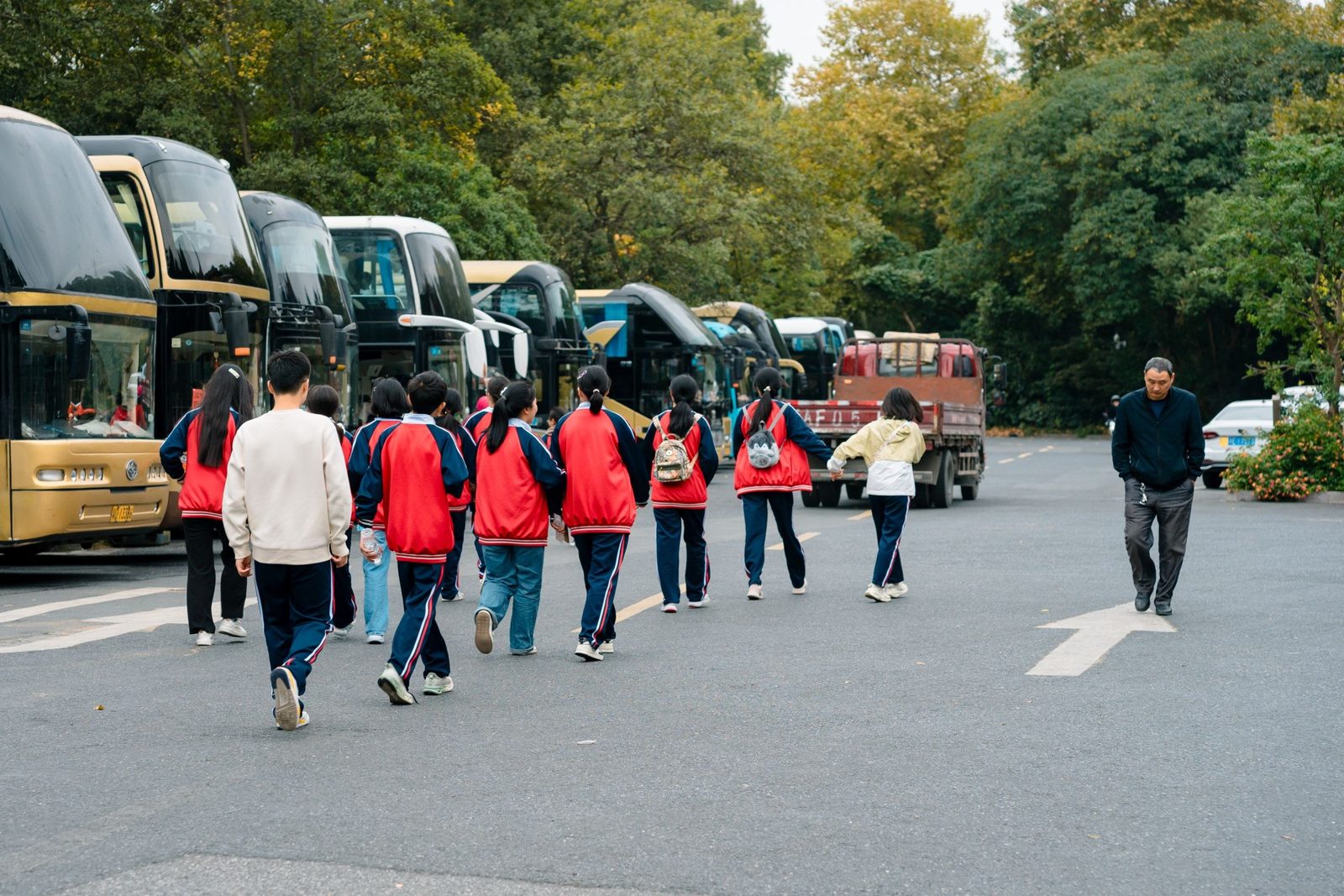
Private coach transport for every training session, match and activity keeps the group together and on time. It is one of the simplest ways to reduce risk on any school trip.
Don't forget the learning off the field
Schools usually need to show the educational value of a tour. Build it into the program: a language lesson, a visit to a local school, a cultural workshop or a history site. Students often remember these days as much as the matches.
Planning timeline for a school sports tour
| When | What to do |
|---|---|
| 12-18 months before | Choose the sport, destination and dates. Get in-principle support from the principal. |
| 10-12 months before | Submit the proposal and risk assessment for school approval. |
| 9-10 months before | Hold a parent information night and open expressions of interest. |
| 6-9 months before | Confirm numbers, collect deposits and start fundraising. |
| 3-6 months before | Check passports, visas and travel insurance. |
| 4-6 weeks before | Pre-departure meeting, team kit, medical forms and the final itinerary. |
For more detail, read our guides to getting school approval for an international sports trip and fundraising ideas for sports tours.
Questions to ask any school tour operator
1. How are fixtures chosen and matched to our students' age and level?
2. Who is with the group on the ground, and do they speak the local language?
3. Where will we stay, and how do we get to training and matches?
4. What is included and what isn't?
5. What is the plan if a student is sick or injured?
6. How will parents be kept updated during the tour?
A good operator answers all of these in writing. Our child safety checklist for sports tours has more questions to ask.
FAQs
How long should a school sports tour be?
Most school sports tours run 7 to 14 days. Asia trips often work well at 7-10 days, while Europe and the Americas usually need 10-14 days to make the long flights worthwhile.
What age groups can go on a school sports tour?
Most tours are for secondary students, from around Year 7 to Year 12. Programs are matched to the age and level of the group.
Can we combine more than one sport?
Yes. Multi-sport tours are popular with schools, for example football and netball squads travelling together with separate fixtures.
How much does a school sports tour cost?
It depends on the destination, length, group size and inclusions. Every tour is tailored, with costs on request.
Ready to plan your school's next tour? Build your tour
Or see our school sports tours.
Plan your next sports tour
Olimpia Tour is a global sports tour operator, building fully managed tours for schools, clubs and academies worldwide — across Europe, Asia, Africa, Oceania, the Middle East and the Americas.