
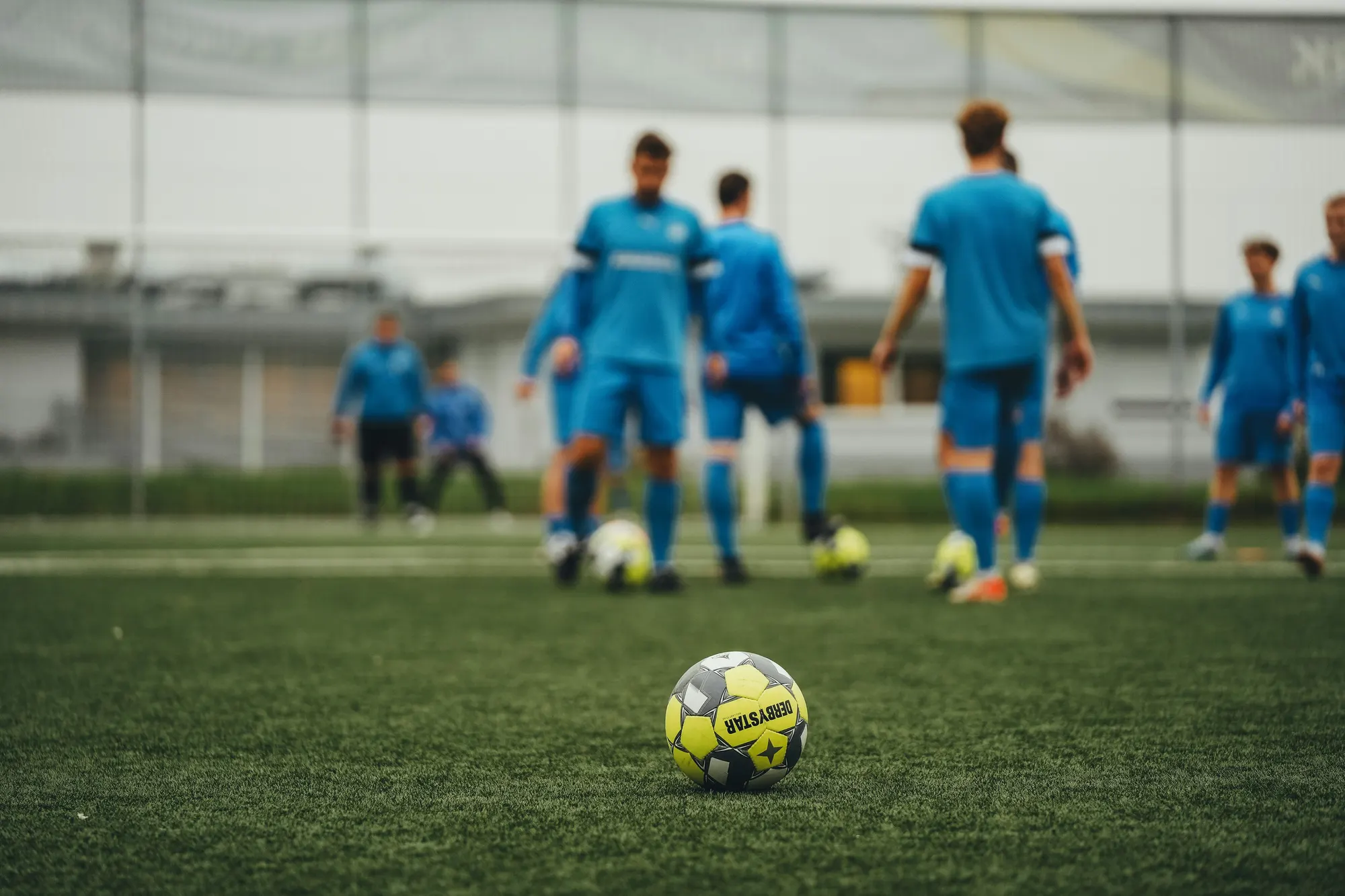
Pre-season 2027
Best Football Pre-Season Camp Destinations for 2027
The best football pre-season camp destinations for 2027 are Turkey, Spain, the UAE, Thailand, Mexico, South America and Australia, depending on when your season starts and what your team needs. Here's how they compare for clubs, academies and professional teams.
A football (soccer) pre-season camp does three jobs at once. It builds fitness, it gives coaches time to work on shape and patterns away from daily distractions, and it brings a squad together before the games that count. Where you go has a big effect on all three.
This guide is for clubs, academies and professional teams comparing destinations side by side. If you run a professional squad and want a deeper look at elite camps, read our guide to pre-season training camps for professional teams. To see how we build camps, visit our pre-season camps page.
At a glance
Pre-season destinations compared
| Destination | Best months | Why teams go | Best for |
|---|---|---|---|
| Turkey (Antalya/Belek) | Jan-Mar, Jul | Football-focused resorts, grass pitches, many touring teams for friendlies | European-season clubs, pro teams |
| Spain | Jan-Apr, Jul-Aug | Strong football culture, quality facilities, local opposition | Clubs, academies, pro teams |
| UAE (Dubai/Abu Dhabi) | Oct-Apr | Modern facilities, easy flight connections | Pro teams, academies |
| Thailand | Year-round | Good value, professional-standard facilities | Asia-Pacific clubs and academies |
| Mexico | Jan-Mar | Close for North American teams, strong football culture | US and Canadian clubs and pro teams |
| Brazil and Argentina | Jan-Mar, Jul | Football heritage, technical style of play | Academies, development squads |
| Australia | Jun-Aug, Dec-Feb | English-speaking, strong school and club football | Northern-hemisphere teams in their off-season |
- Turkey (Antalya/Belek)Jan-Mar, Jul
Football-focused resorts, grass pitches, many touring teams for friendlies
Best for European-season clubs, pro teams
- SpainJan-Apr, Jul-Aug
Strong football culture, quality facilities, local opposition
Best for Clubs, academies, pro teams
- UAE (Dubai/Abu Dhabi)Oct-Apr
Modern facilities, easy flight connections
Best for Pro teams, academies
- ThailandYear-round
Good value, professional-standard facilities
Best for Asia-Pacific clubs and academies
- MexicoJan-Mar
Close for North American teams, strong football culture
Best for US and Canadian clubs and pro teams
- Brazil and ArgentinaJan-Mar, Jul
Football heritage, technical style of play
Best for Academies, development squads
- AustraliaJun-Aug, Dec-Feb
English-speaking, strong school and club football
Best for Northern-hemisphere teams in their off-season
Timing
When is pre-season?
The right destination starts with your calendar. Pre-season is the four to eight weeks before your first competitive match, and that window falls at very different times depending on where you play.
In Australia, most NPL and state league competitions kick off between February and April, and school football runs through the terms that follow. That puts Australian pre-season in December, January and February. Clubs here often look to Asia for a short, focused camp without long flights, or further afield to Spain or South America for a bigger development trip.
In Europe, most seasons start in August, so pre-season runs through July, with a second window in January for a mid-season or winter camp. North American seasons vary, but many clubs and colleges prepare between January and March. Northern-hemisphere teams can use Australia in its own season, from June to August, to find match-fit opposition while they are on their break.
The simple rule: pick a destination where facilities are open, local teams are active and the travel time fits the number of days you have.
The checklist
What makes a good pre-season camp
A beautiful location is a bonus. What makes a camp work is the detail around training. These are the things we check before we recommend any base.
Grass pitches
Well-kept natural grass close to where you stay, with a back-up pitch so sessions are never squeezed.
Gym access
A proper gym for strength and conditioning work, available at times that suit your programme.
Recovery
Pools, ice baths or physio space, so players recover well between double sessions.
Meeting and video room
A private room with a screen for tactical meetings, video analysis and team talks.
Quality friendlies
Opposition at the right level for your squad, arranged around your training plan and subject to availability.
Short transfers
Minimal time on the bus between airport, base, pitches and match venues, so the days go into football.
Food for athletes
Meals planned around training times, with options your performance staff can adjust.
Destination by destination
Where to go in 2027
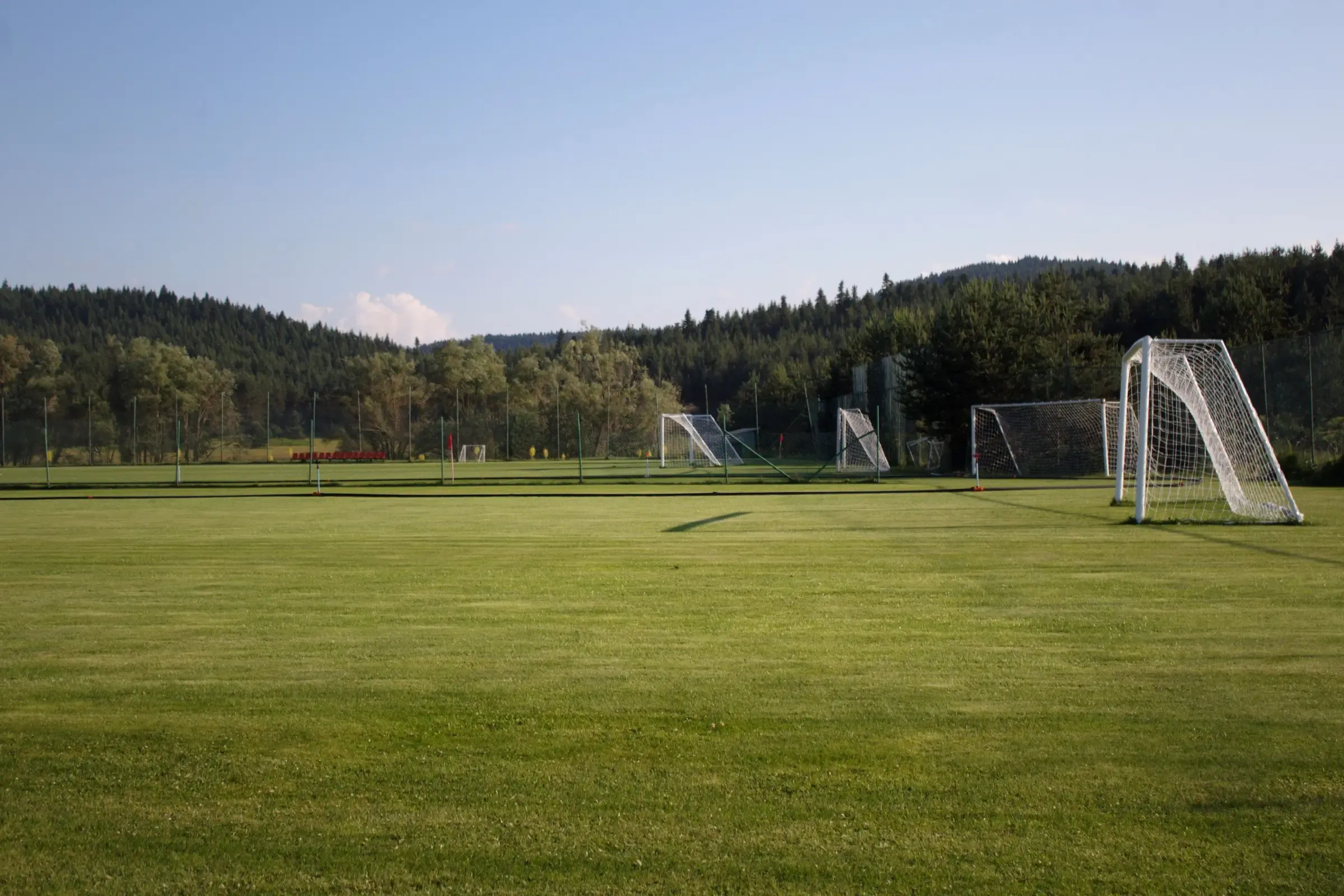
Best months: Jan-Mar, Jul
Turkey (Antalya and Belek)
The Antalya coast, and Belek in particular, is built for football camps. Many resorts have their own grass pitches next to the rooms, so a squad can walk to training, and the area welcomes touring teams from across Europe and beyond.
That concentration of teams is the big draw: in the busy windows there are usually plenty of squads looking for friendlies, subject to availability.
To consider: Popular weeks book out early, so confirm pitches and dates well ahead. Flights from Australia are long, which suits longer camps better than short ones.
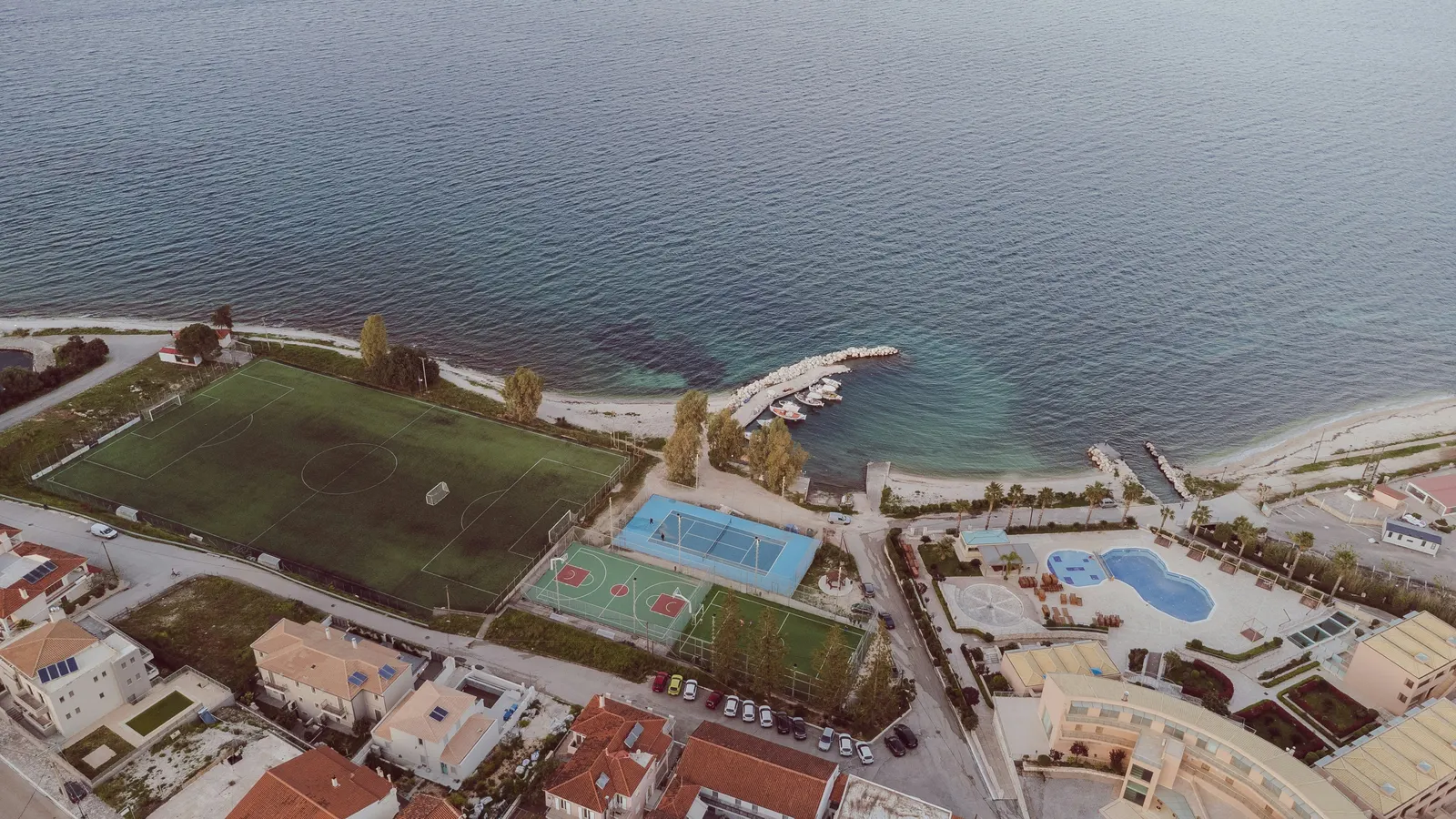
Best months: Jan-Apr, Jul-Aug
Spain
Spain combines quality facilities with a deep football culture at every level. Regions along the Mediterranean coast have training centres, grass pitches and plenty of local clubs and academies to play against.
It works for almost any squad, from youth academies to senior teams, and coaching sessions with local coaches add a real development angle. Academies can also combine a camp with one of our youth football tournaments.
To consider: July and August are peak travel months, so book early. Local teams follow their own pre-season schedules, which shapes when friendlies are possible.
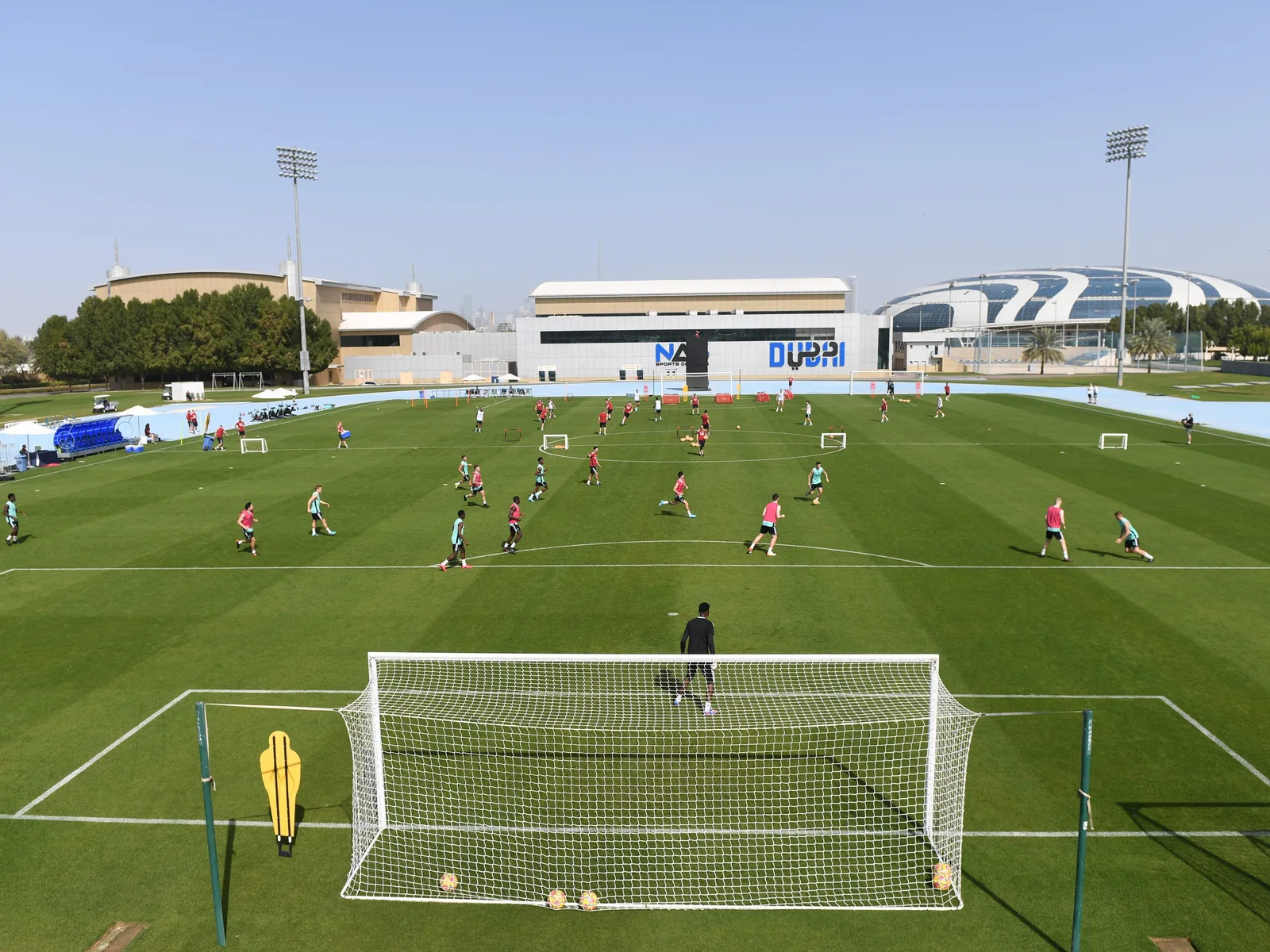
Best months: Oct-Apr
UAE (Dubai and Abu Dhabi)
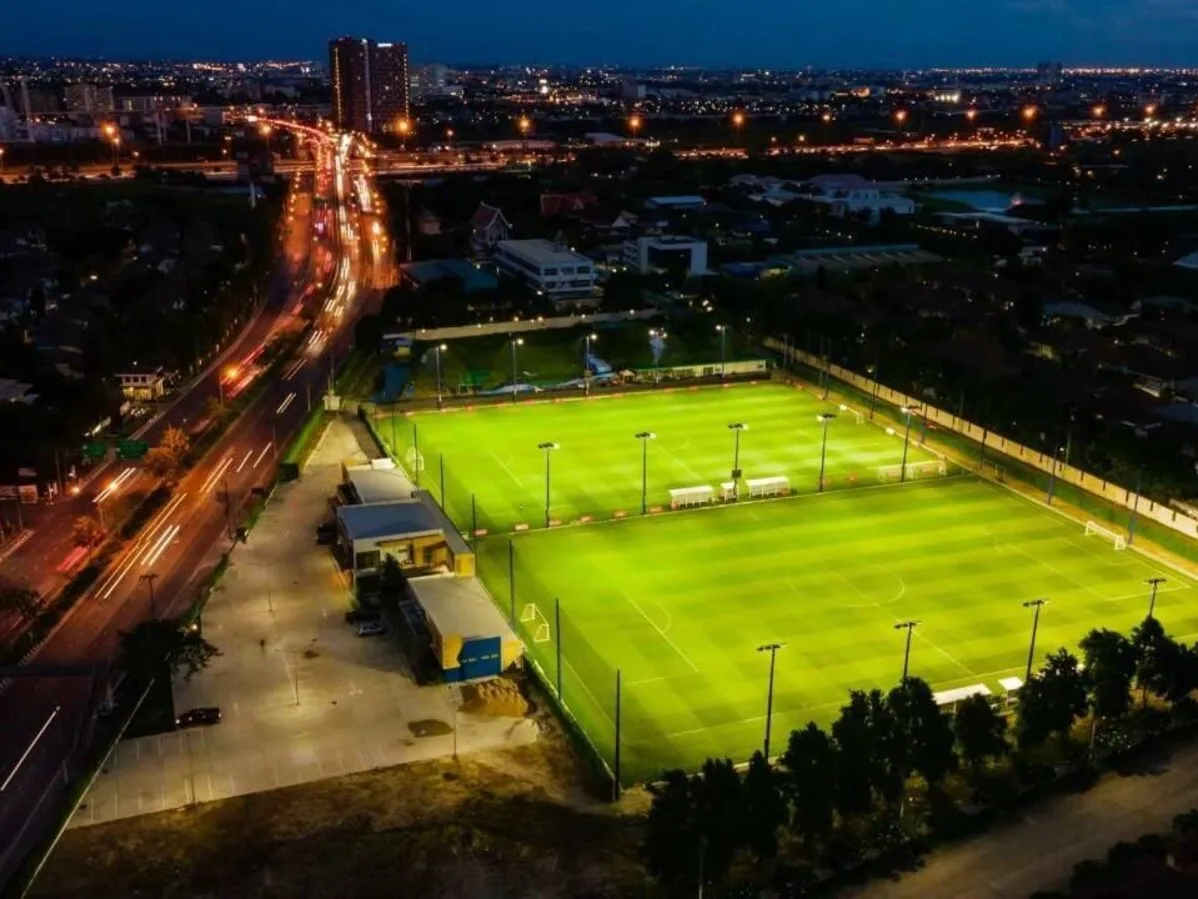
Dubai and Abu Dhabi offer modern training facilities and some of the easiest flight connections in the world, with direct routes from Australia, Asia and Europe. That makes the UAE a practical meeting point for squads coming from different places.
Academies have a strong reason to look at Dubai in 2027: the Mina Cup youth tournament runs there from 1 to 5 April. Olimpia Tour is the Exclusive Mina Cup Regional Representative for Australia, so a team can pair a camp with tournament football. See our Mina Cup page.
To consider: The main camp window runs from October to April. In the hotter months, training times are usually moved to early morning and evening.
Best months: Year-round
Thailand
Thailand is one of the best-value options for Asia-Pacific clubs and academies. It has professional-standard training facilities, a growing football scene and a relatively short flight from Australia.
Camps can run at almost any time of year, which suits Australian clubs fitting a camp around school holidays or a mid-season break.
To consider: The rainy season can affect outdoor sessions in some regions, so plans should include indoor or flexible options. Opposition levels vary, so share your squad level early.
Best months: Jan-Mar
Mexico
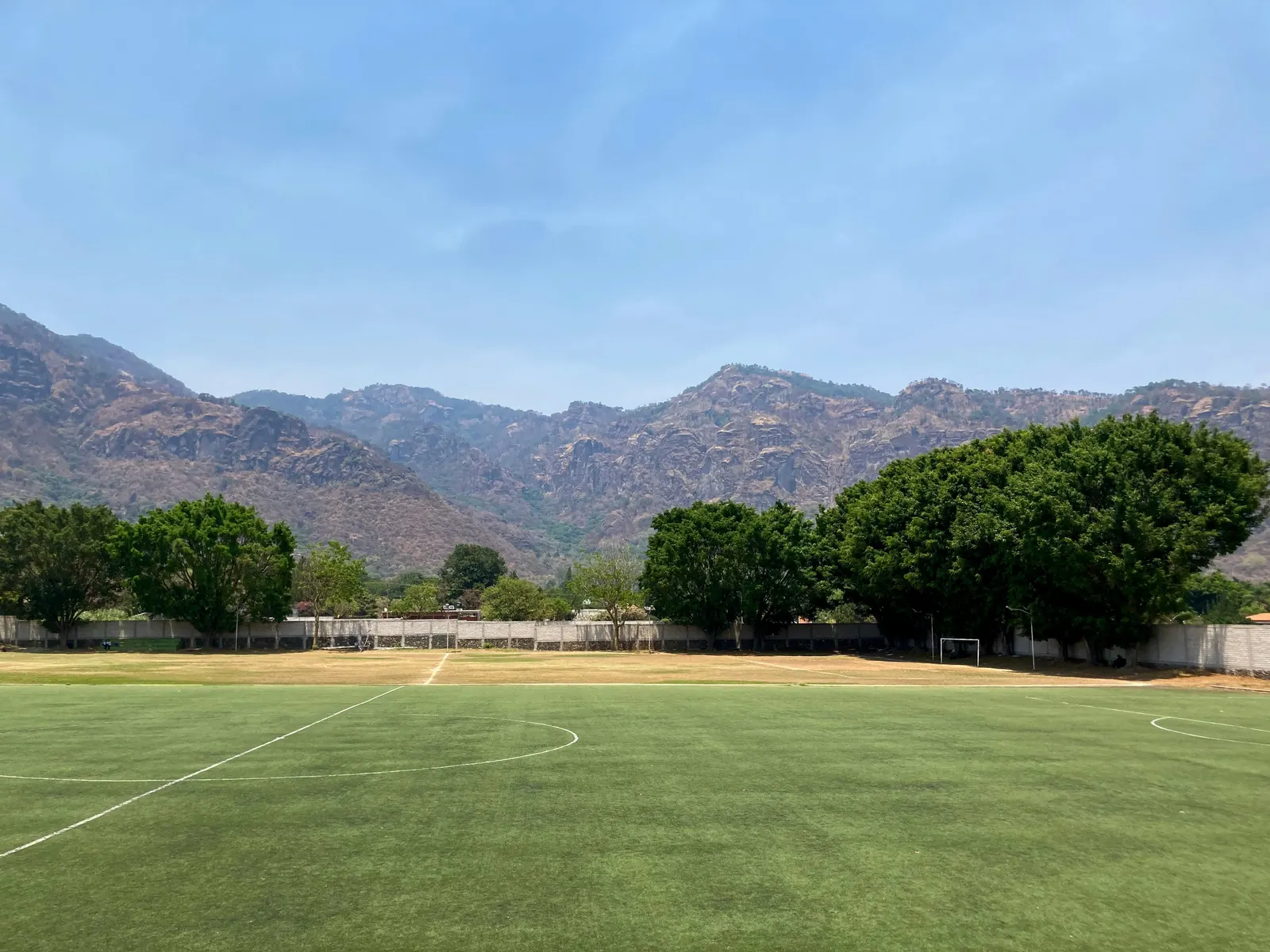
For US and Canadian clubs, Mexico is close, with short flights and small time differences. Football is the national passion, and there is a wide range of local professional and semi-professional teams and academies to test yourself against.
January to March is the main window, fitting the build-up to many North American seasons.
To consider: Some training bases sit at altitude, which affects how players recover and should shape the programme. For teams from Australia, it is a long trip and works best as a longer camp.
Best months: Jan-Mar, Jul
Brazil and Argentina
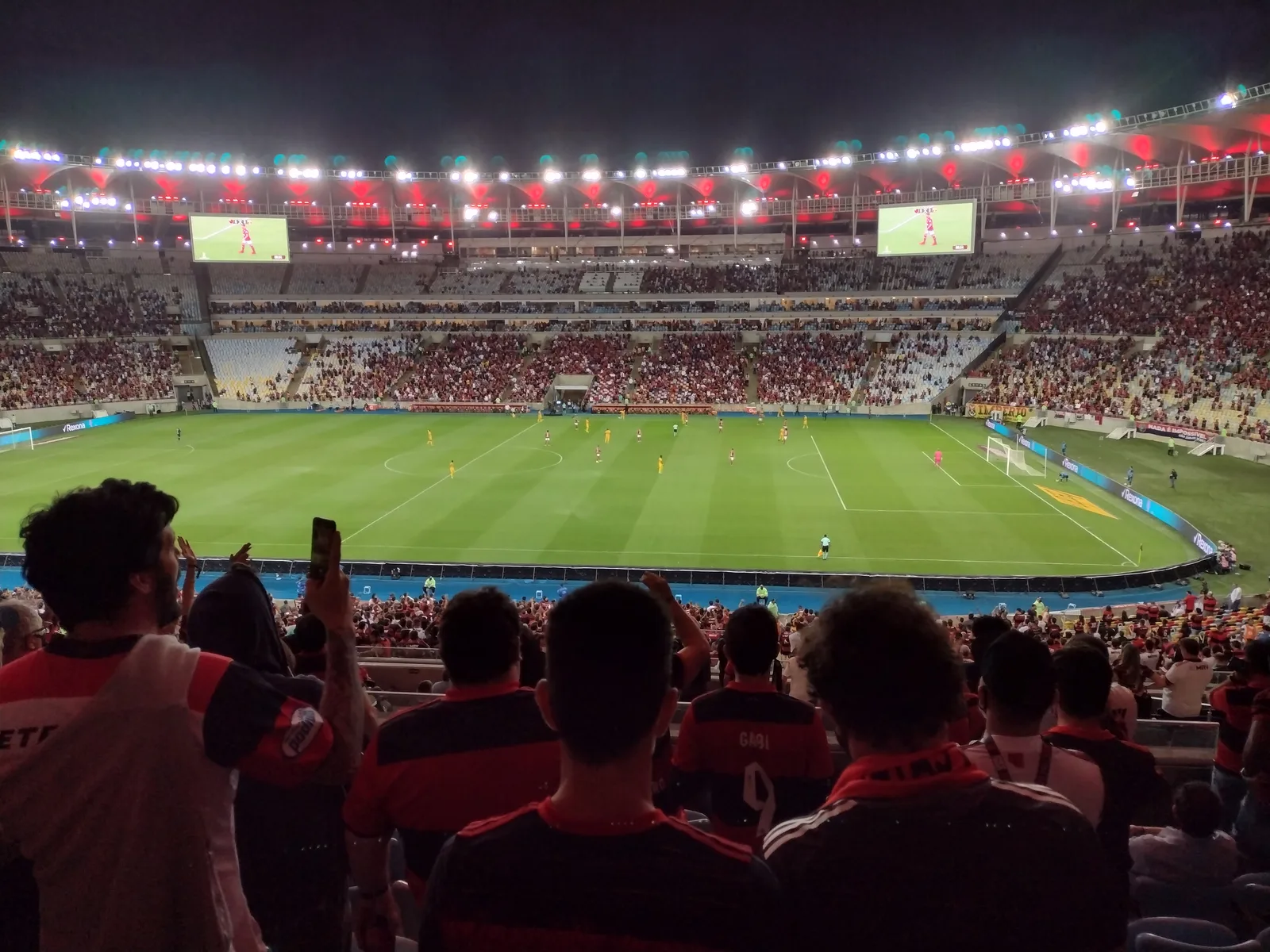
Brazil and Argentina are about football heritage and a technical, ball-focused style of play. Coaching sessions and matches against local academies expose young players to a different way of thinking about the game.
That makes South America a strong choice for academies and development squads rather than pure fitness camps. Brazil also hosts the FIFA Women's World Cup in mid-2027; see our guide to the 2027 world cups.
To consider: Distances inside both countries are large, so keep the itinerary to one or two bases. Local school and club calendars affect which teams are available.
Best months: Jun-Aug, Dec-Feb
Australia
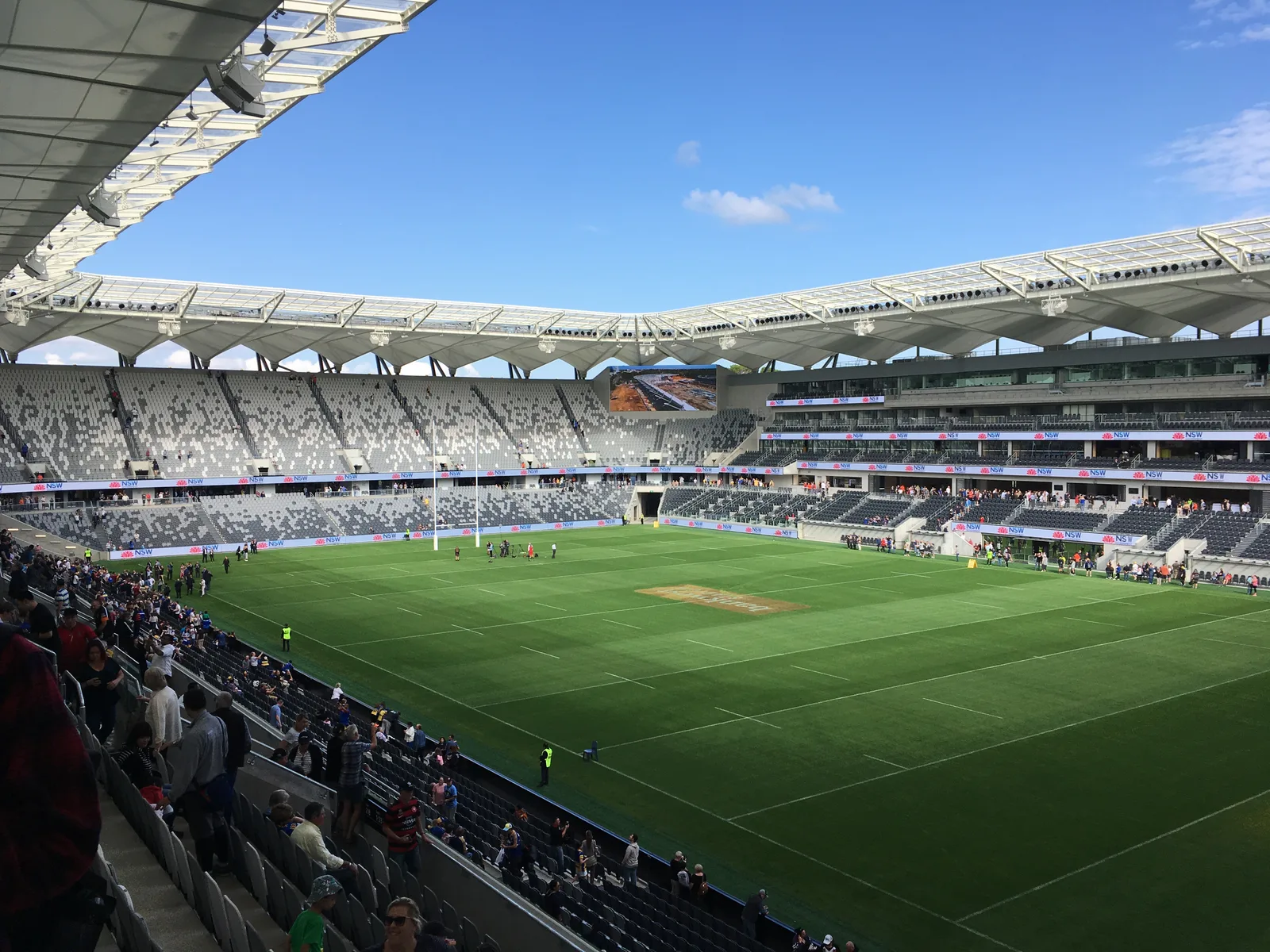
Australia is an English-speaking destination with strong school and club football. For northern-hemisphere teams, the timing is the key: from June to August, local teams are in season and match-fit while European and North American squads are on their break.
December to February suits teams wanting a camp alongside Australian clubs in their own pre-season. Cities such as Sydney, Melbourne and Brisbane have good pitches and a busy club scene.
To consider: Long-haul flights from Europe and North America mean camps of at least a week make the most sense. Plan time to adjust before the first hard session.
4 to 10 days
How long should a pre-season camp be?
Most pre-season camps run between 4 and 10 days. The right length depends on travel time, your stage of pre-season and what you want the camp to achieve.
A short camp of four or five days works well for a nearby destination. It is enough for focused training, one or two friendlies and some team bonding, without taking players away for too long.
A longer development camp of eight to ten days suits long-haul trips and academy squads. It allows for a rest day, more matches, coaching sessions and a gradual build in intensity. For community clubs, a camp can also be part of a wider club sports tour.
Whatever the length, build in a lighter first day after arrival and keep the final day easy before you fly home. Our pre-season camps are planned around your training programme, not the other way round.
Subject to availability
Friendlies: what to expect
Friendlies are often the most important part of a camp, and they are also the part that depends most on other people. Every match is subject to availability.
The level of opposition depends on who is training nearby, their own schedules and the week you travel. We look for local professional and semi-professional teams, academies and touring squads that match your level, but no specific opponent can be promised in advance.
The best way to get the right games is to tell us your squad level, age group and preferred match days early, and to stay flexible on kick-off times. For a detailed checklist on sourcing matches, read our guide to organising pre-season friendlies.
Quick answers
FAQ
What's the best pre-season destination for a football team?
It depends on your season dates, travel time and goals. European-season clubs often choose Turkey or Spain, Asia-Pacific teams look at Thailand, North American teams look at Mexico, academies love South America, and northern-hemisphere teams use Australia during their off-season.
When should we book?
We recommend six to twelve months ahead. Popular weeks fill early, and earlier planning gives more choice of training bases, flights and friendlies.
How long should a camp be?
Most camps run 4 to 10 days. Short camps of four or five days suit nearby destinations, while eight to ten days suits long-haul trips and development-focused academy squads.
Can you arrange friendlies?
Yes. We arrange friendlies against local professional and semi-professional teams, academies or touring squads at a suitable level, subject to availability. Specific opponents cannot be guaranteed.
Do you organise camps for women's teams?
Yes. We plan pre-season camps for women's and girls' teams as well as men's and boys' squads, with the same focus on training facilities and suitable opposition.
Planning your 2027 pre-season?
See how we build pre-season camps for clubs, academies and professional teams.
Photos: Omar Ramadan, Collins Lesulie, Alliance Football Club, Tomas Martinez, Matheus Protzen and Nihar Reddy Jangam (Unsplash); sadece.tarik and Mihai Vlasceanu (Pexels).