
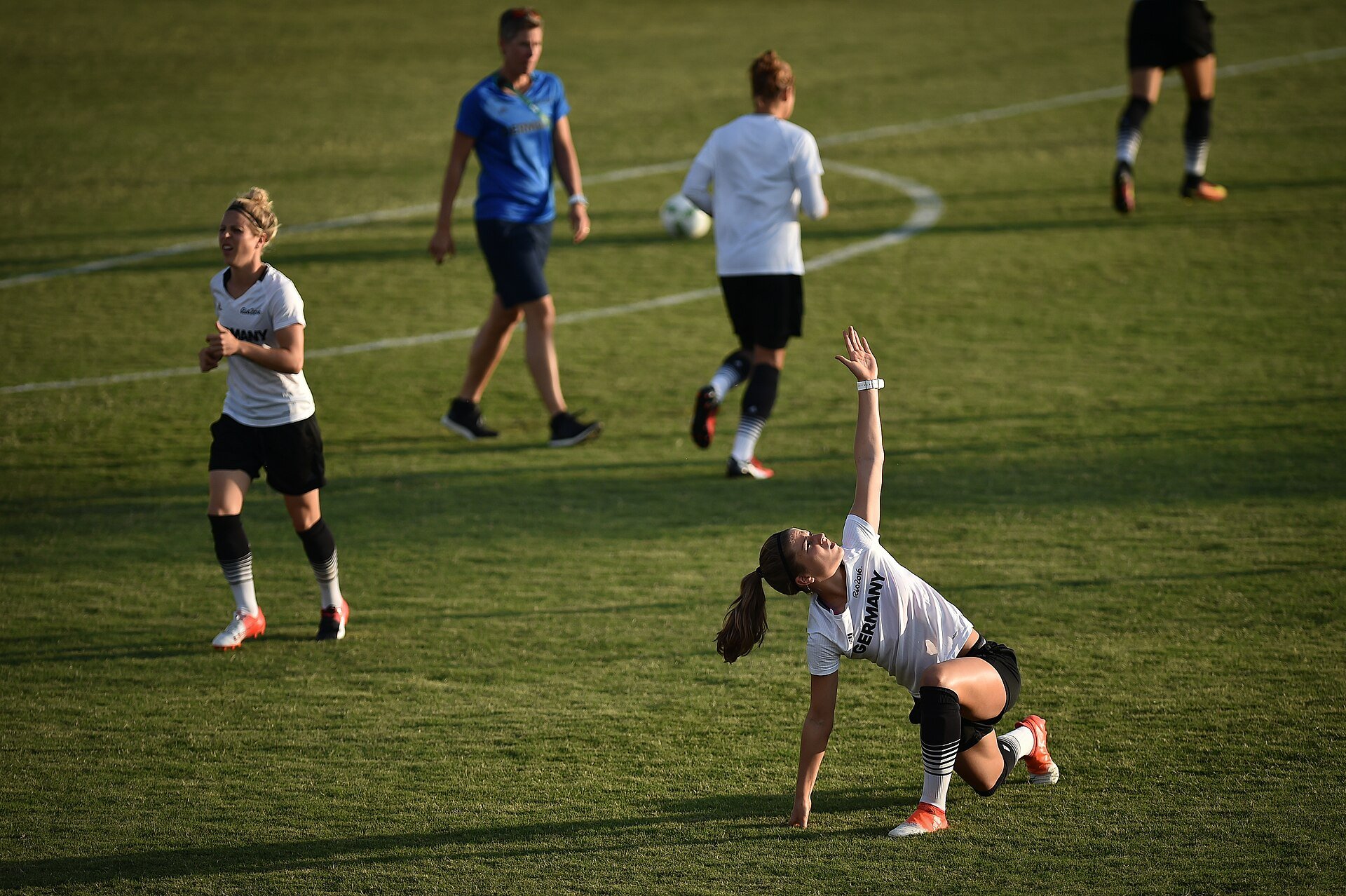
Photo: Agência Brasília / Wikimedia Commons, CC BY 2.0
Taking a Women's Team to Brazil in 2027: A Planning Guide
In 2027, the FIFA Women's World Cup comes to Brazil, the first time it has ever been held in South America. For a women's or girls' football team, that makes a women's football team tour to Brazil in 2027 something different: your players train and play against Brazilian clubs, in the country where the whole football world is watching.
This guide is for coaches and managers of women's and girls' teams: NPLW and state league clubs, academies, university teams and community clubs. It is about taking a team to play football, not a supporters' trip.
Why 2027 is different
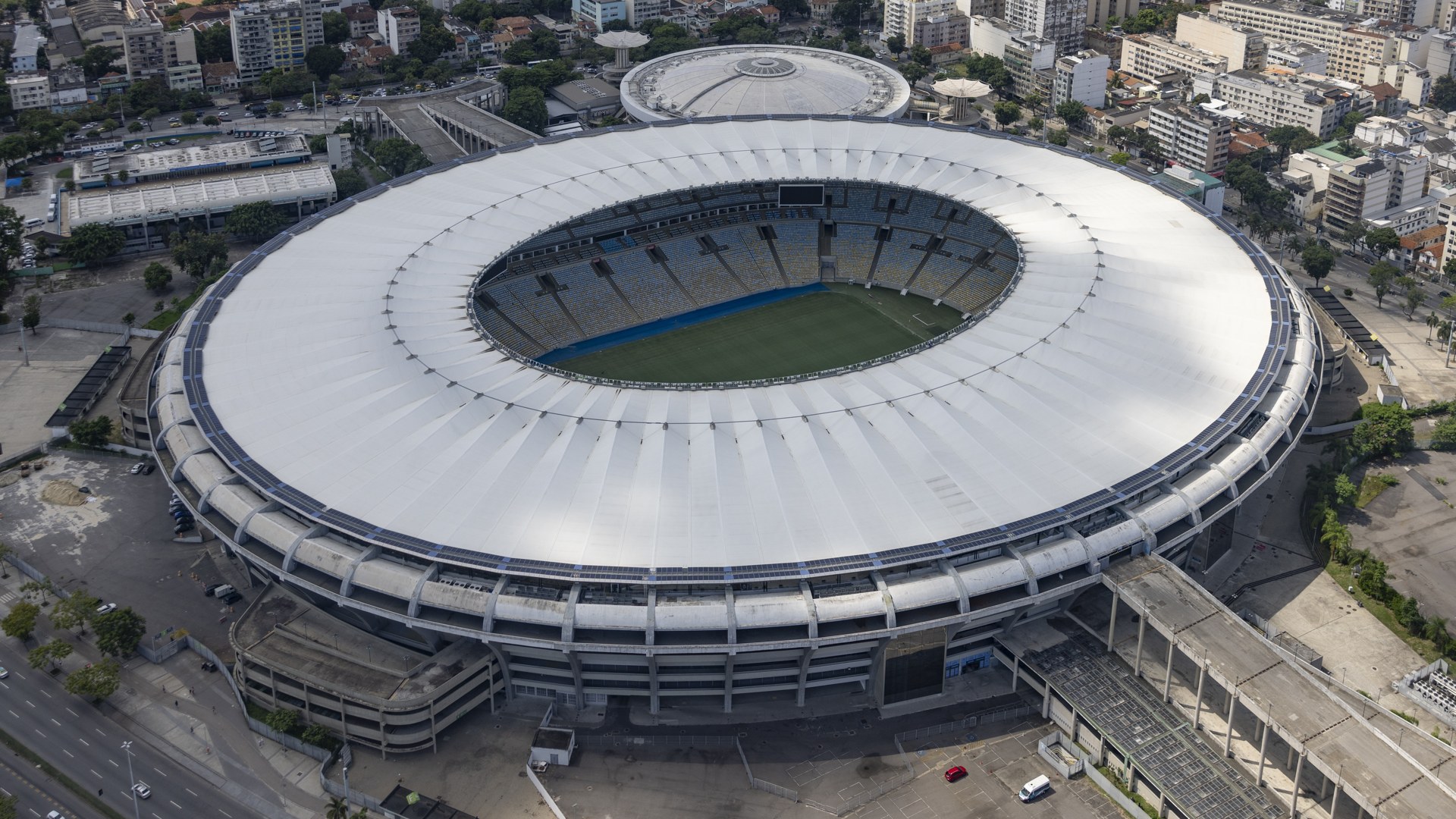
The tournament runs from 24 June to 25 July 2027, with 32 national teams playing 64 matches across eight host cities: Belo Horizonte, Brasília, Fortaleza, Porto Alegre, Recife, Rio de Janeiro, Salvador and São Paulo. It opens and finishes at the Maracanã in Rio de Janeiro. The Matildas have already qualified.
For Australian teams, the timing works. The June-July school holidays overlap the tournament in every state:
- •Victoria: 26 June - 11 July
- •South Australia: 3 - 18 July
- •NSW: 5 - 16 July
That means school-age players can travel without missing school, and adult players can plan leave well ahead.
Why Brazil for a women's team?
Brazil is one of the great football countries, and its women's game has grown fast. The national women's league, the Brasileirão Feminino, started in 2013. Since 2019, South American clubs that play in the top men's continental competitions have also had to run women's teams, so many of Brazil's biggest clubs now have women's and girls' programs. Corinthians, from São Paulo, has won the national women's title seven times and has also won the Copa Libertadores, South America's top club competition.
For your players, that means opposition that plays a different game: quick, technical and creative in tight spaces. Most Australian teams never get to test themselves against that.
What a 10-day team tour looks like
Every tour is built around the team's level and goals. A typical 10-day tour based in Rio de Janeiro looks like this:
| Day | Program |
|---|---|
| 1-2 | Fly to Rio de Janeiro. Arrive, check in and do a light recovery session. |
| 3 | Training session with Brazilian coaches at a professional club facility. |
| 4 | First friendly match against a Brazilian club or academy side, matched to your level. |
| 5 | Maracanã stadium visit and a guided day in the city. |
| 6 | Training, recovery and a team activity on the beach. |
| 7 | Second friendly match. |
| 8 | Culture day: Christ the Redeemer, Sugarloaf Mountain or a samba experience. |
| 9 | Third friendly or a training session, then the World Cup atmosphere in the city. |
| 10 | Fly home. |
Tours can also add São Paulo, Brazil's biggest city and home to several of its top women's clubs.
A note on World Cup matches: FIFA sells tickets for the tournament. If watching a match is important to your group, ask early and make sure you understand exactly what is included in your tour and what isn't.
With a base in Buenos Aires, we follow South American football closely, and the change in the women's game has been huge. Brazil's biggest clubs now run proper women's and girls' programs, and the standard keeps rising. Playing them is a real test for any Australian team, and 2027 is the year to do it. – Maximo Naveiro, Founder
Playing Brazilian clubs
The matches are the heart of the tour. Good matches are about the right opposition, not the biggest name. A senior women's team should play opponents that will stretch them. A U15 girls' team needs games that are competitive but fair. Every match should be set up with the opposition's age and level confirmed in advance.
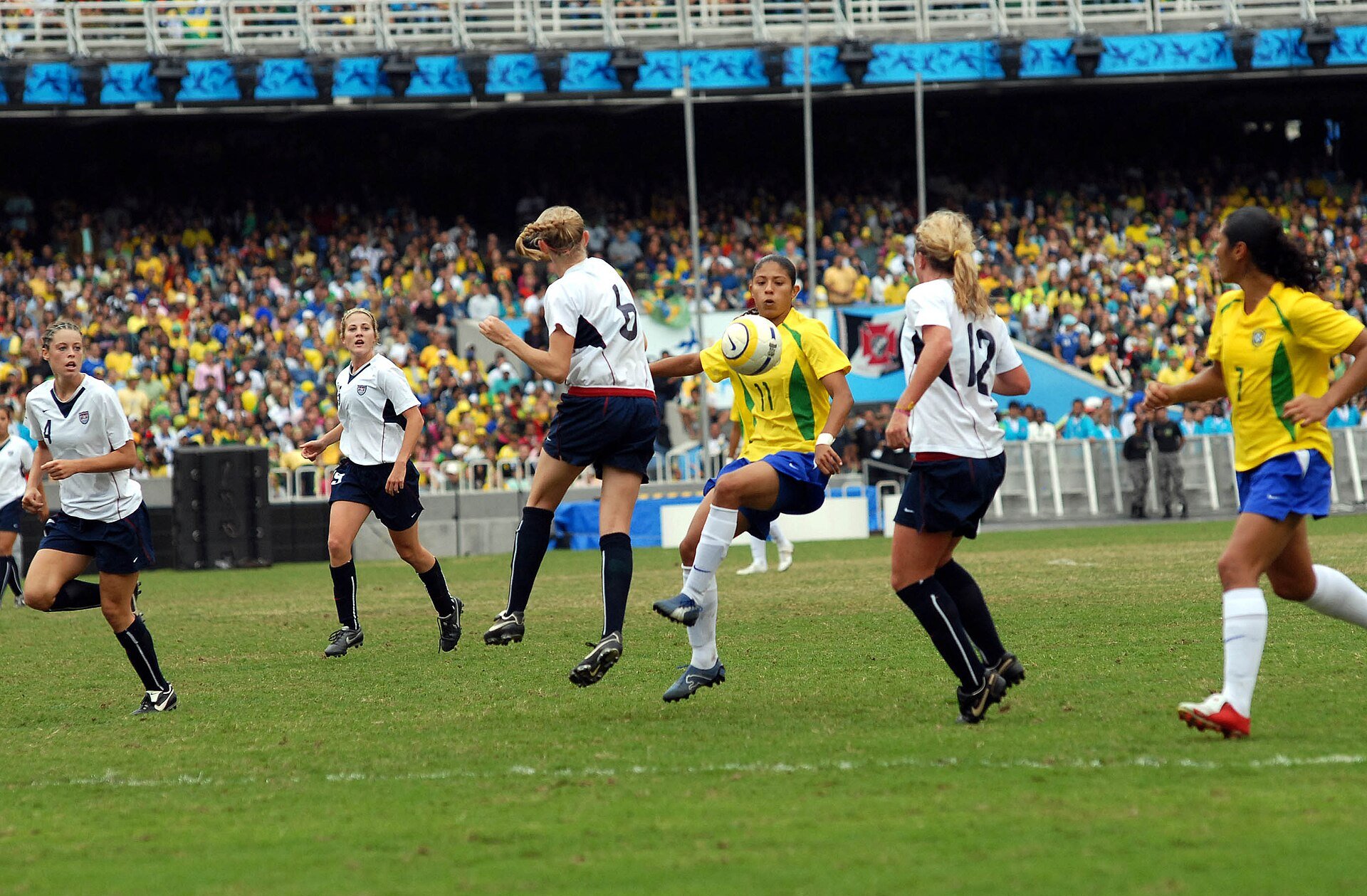
Expect a different style. Brazilian teams tend to keep the ball on the ground, take players on one-on-one and play with confidence in tight spaces. Coaches often say their players learn more from two matches like this than from half a season at home.
Planning timeline: decide by February
Brazil will be busy in June and July 2027. Flights and hotels in host cities will be in high demand, so teams that commit early get better options.
| When | What to do |
|---|---|
| October - November 2026 | Talk to your squad and see who's interested. Get rough numbers. |
| December 2026 | Hold an information night for players and parents. |
| By February 2027 | Confirm your squad and commit to the tour. |
| March - April 2027 | Check passports, visas and vaccinations. |
| May - June 2027 | Hold a pre-departure meeting, prepare the travel kit and train as a squad. |
| Late June - July 2027 | Travel. |
Visa rules for Australians travelling to Brazil have changed in recent years, so check the current requirements on Smartraveller and the Brazilian consulate website. Players should also see their GP about recommended vaccinations well before departure.
What to ask any tour operator
Whoever you travel with, get clear answers to these before you commit:
1. Who looks after the team on the ground, and do they speak Portuguese?
2. How is the opposition chosen and matched to our level?
3. Where will we stay, and how do we get to training and matches?
4. What is included, and what isn't, especially for World Cup matches?
5. What happens if a player is sick or injured?
6. How do players and parents stay informed during the tour?
A good operator answers all of these in writing.
Why travel with Olimpia Tour
Olimpia Tour is an Australian company with a base in Buenos Aires and a team that speaks Spanish and knows South American football. We specialise in girls' and women's sports tours. Your club deals with an Australian company in Australian dollars, while we look after everything on the ground in Brazil.
FAQs
Is this a trip to watch the World Cup?
It's a football tour first. Your team trains and plays against Brazilian clubs, and travels in the World Cup period so players can feel the atmosphere in the host country. If you want to watch matches, talk to us early about what's possible.
What age groups can tour?
Girls' teams from around U14 up to senior women's teams. Every program is matched to the age and level of the group.
Is Brazil safe for a girls' team?
Like any big country, Brazil has areas to avoid. A well-run tour uses private transport, accommodation in the right areas and local staff with the team at all times. Families should read the Australian Government's Smartraveller advice for Brazil before travelling.
When do we need to decide?
Ideally by February 2027. After that, flights and hotels in the host cities will get harder to find.
Ready to start planning? Build your tour
Worried about safety? Read: Is Brazil safe for a youth sports team?
Plan your next sports tour
Olimpia Tour is a global sports tour operator, building fully managed tours for schools, clubs and academies worldwide — across Europe, Asia, Africa, Oceania, the Middle East and the Americas.