
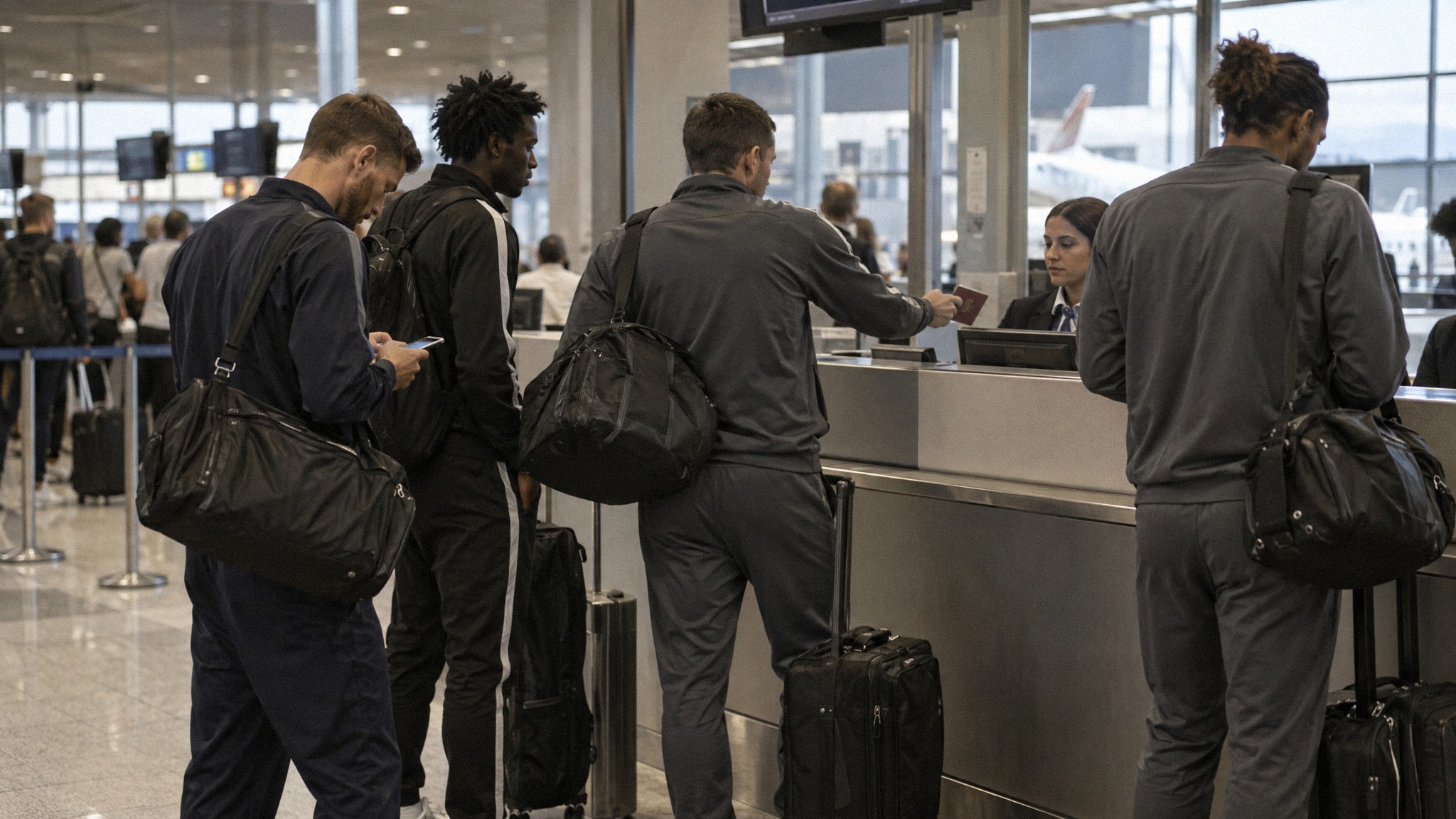
Visas and Travel Documents for Sports Teams Travelling Overseas: 2027 Guide
Travel documents are one of the most important parts of any sports tour — and one of the easiest to get wrong. One player with an expired passport or a missing permit can stop the whole team at the airport. This guide explains what school, club and academy teams need to check, with an overview of popular destinations.
Important: entry rules change often and depend on each player's passport, not on where the team comes from. Use this guide as a starting point and always confirm with official government websites. Olimpia Tour helps every team build a document checklist as part of planning.
Key Takeaways
- •Check every player's passport — mixed-nationality squads often need different permits.
- •Many destinations now use electronic travel permits (UK ETA, Australia ETA/eVisitor, NZeTA, and Europe's planned ETIAS).
- •Under-18s should carry a signed parental consent letter, especially if not travelling with a parent.
- •Start checking documents 6–9 months before departure.
- •Paid or professional athletes may need a different visa from amateur players.
What should every team check first?
1. Passport validity — many countries require at least 3–6 months' validity beyond your return date.
2. Blank pages — some countries need one or two empty pages.
3. Nationality of each traveller — list every passport in the squad, including dual nationals and staff.
4. Purpose of travel — amateur sport and tourism is usually treated differently from paid work.
Popular destinations at a glance
- •United Kingdom — many visitors who don't need a visa (including Australian, US, Canadian and EU citizens) now need an Electronic Travel Authorisation (ETA) before travel. Apply via the official UK government app or website.
- •Europe (Schengen area) — many non-EU visitors can stay up to 90 days in 180 without a visa. The Entry/Exit System (EES) records fingerprints and photos at the border, and ETIAS, an online travel authorisation, is planned to start after EES. Check the official EU websites for the start date.
- •Japan — many passports (including Australia, the UK, the US and Canada) can visit for short stays without a visa. Others need a visa in advance.
- •United Arab Emirates — many passports receive a visit visa on arrival, while others must apply in advance.
- •South Africa — many passports (including Australia, the UK, the US and Canada) can visit visa-free for short stays. South Africa has strict rules for travelling minors, so carry consent letters and, if asked, birth certificates.
- •Australia — UK and EU passports usually use the free eVisitor, while US, Canadian, Japanese and Singaporean passports usually use the ETA. Others need a visitor visa.
- •New Zealand — visitors from visa-waiver countries need an NZeTA and pay a visitor levy. Australian citizens do not need one.
What documents do under-18 players need?
- •A valid passport and any permit or visa.
- •A signed parental consent letter naming the supervising staff and travel dates.
- •A copy of the parents' passport or ID may be requested in some countries.
- •Emergency contact details and medical information, held by the team manager.
What about professional or paid athletes?
Visitor permits usually cover amateur sport and tourism. If players are paid, receive prize money or play in a professional competition, a work or sports visa may be needed. Check the destination's official immigration website well in advance.
How does Olimpia Tour help?
We build a document checklist for your squad, set deadlines in your planning timeline and send reminders. Each traveller is responsible for their own passport and visa, but we make sure nothing is forgotten.
How is safety managed?
We prepare a written risk assessment for every tour, following ISO 31030 travel-risk principles. It covers vetted accommodation, agreed supervision ratios, medical access, emergency procedures and a 24/7 support contact. Venues, transport and accommodation are arranged through local partner suppliers, subject to confirmation. Read our duty of care guide and our 12–18 month planning timeline.
Ready to plan your tour?
Read what's included in a sports tour package and our Sports Tours to Australia page. When you're ready, get a quote, message us on WhatsApp or contact us. Every tour is tailored, so costs are on request.
Frequently Asked Questions
Do sports teams need a visa to travel overseas?
It depends on each player's passport and the destination. Many countries are visa-free or use an electronic permit, but some need a full visa. Always check official government websites.
Do Australians need an ETA for a sports tour to the UK?
Yes. Australian citizens visiting the UK without a visa now need an Electronic Travel Authorisation (ETA), applied for online before travel.
What is ETIAS?
ETIAS is an online travel authorisation planned for visa-exempt visitors to most of Europe. It is due to start after the Entry/Exit System (EES). Check the official EU website for the start date.
Do under-18 players need a consent letter?
It is strongly recommended. A signed parental consent letter naming the supervising staff and dates helps at borders, and some countries, such as South Africa, are strict about it.
How early should we check travel documents?
Start 6–9 months before departure, so there is time to renew passports or apply for visas.
Can a squad with different nationalities travel together?
Yes, but each player must meet the rules for their own passport, so different players may need different permits.
Team Travel Documents Checklist
Start 6–9 months before departure.
Check every passport
Validity, blank pages and nationality of each player.
Find the entry rule
Visa-free, electronic permit or full visa.
Apply early
Electronic permits take days; visas can take weeks.
Prepare consent letters
Signed parental consent for every under-18.
Keep copies
Digital and paper copies held by the team manager.
Rules change often. Always check official government websites before you travel.
Plan your next sports tour
Olimpia Tour is a global sports tour operator, building fully managed tours for schools, clubs and academies worldwide — across Europe, Asia, Africa, Oceania, the Middle East and the Americas.