
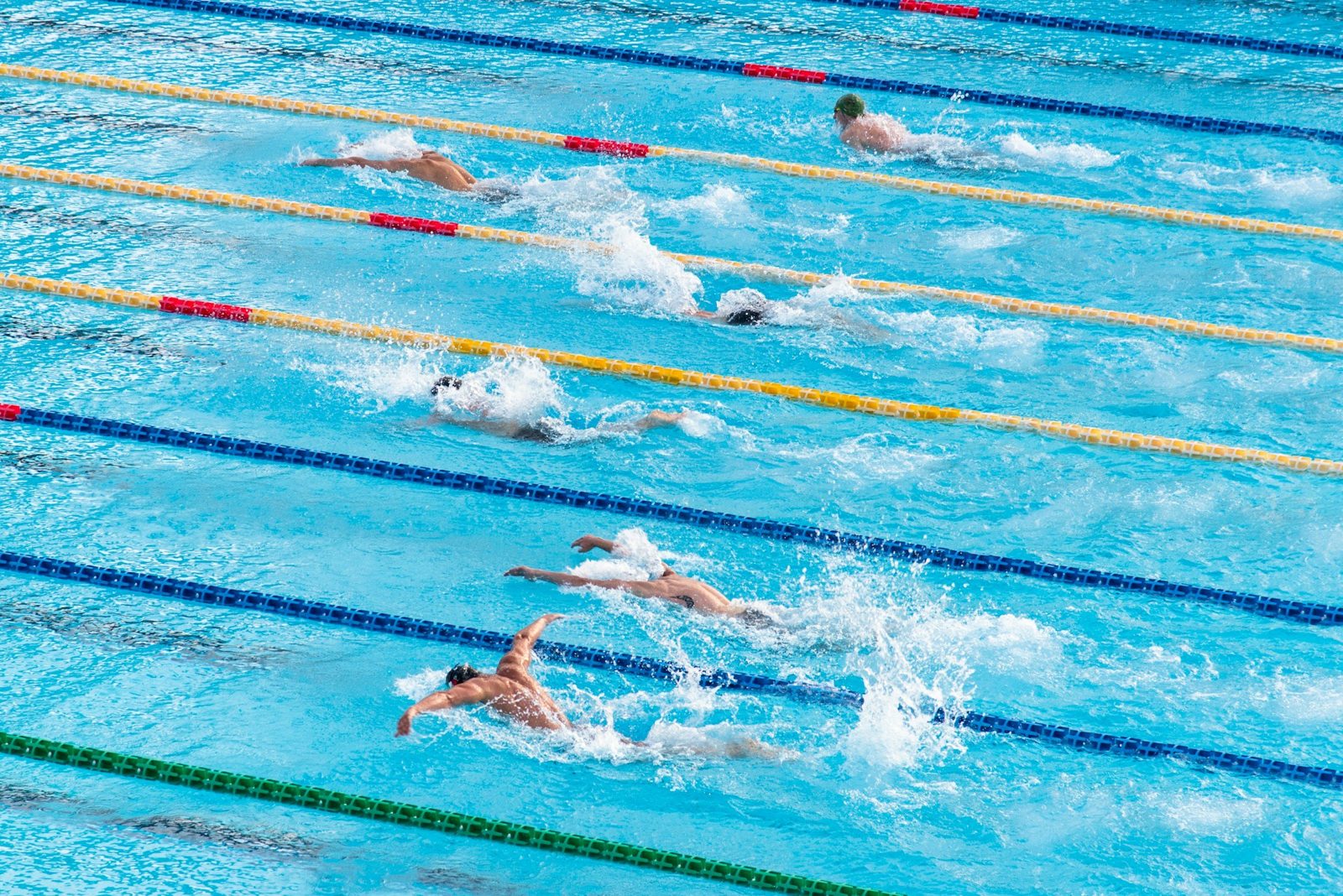
Photo: Serena Repice Lentini / Unsplash
Swimming Tours and Training Camps Abroad: A Guide for Swim Clubs and School Squads
A swimming training camp abroad gives a squad something hard to get at home: a full block of focused training, away from school, work and the usual routine. Swimmers train twice a day, coaches get time to fix technique, and the group comes home closer and fitter.
This guide is for swim club coaches, school swimming coordinators, academies and masters squads thinking about swimming tours overseas. It covers what a camp includes, how to choose a destination, a sample program and how to plan it.
Why take your squad on a swimming camp?
- •A real training block. With no school run or commute, swimmers can train twice a day and recover properly in between.
- •Technique time. Coaches can run video analysis and stroke correction sessions that rarely fit into a normal week.
- •New competition. Time trials or meets against local clubs give swimmers a fresh test.
- •Team spirit. Swimming is often an individual sport. A camp builds the squad culture that keeps swimmers in the sport.
- •Long-course water. For squads that usually train in 25 m pools, a camp is a chance to train in a 50 m pool.
What a swimming training camp includes
| Part of the camp | What it looks like |
|---|---|
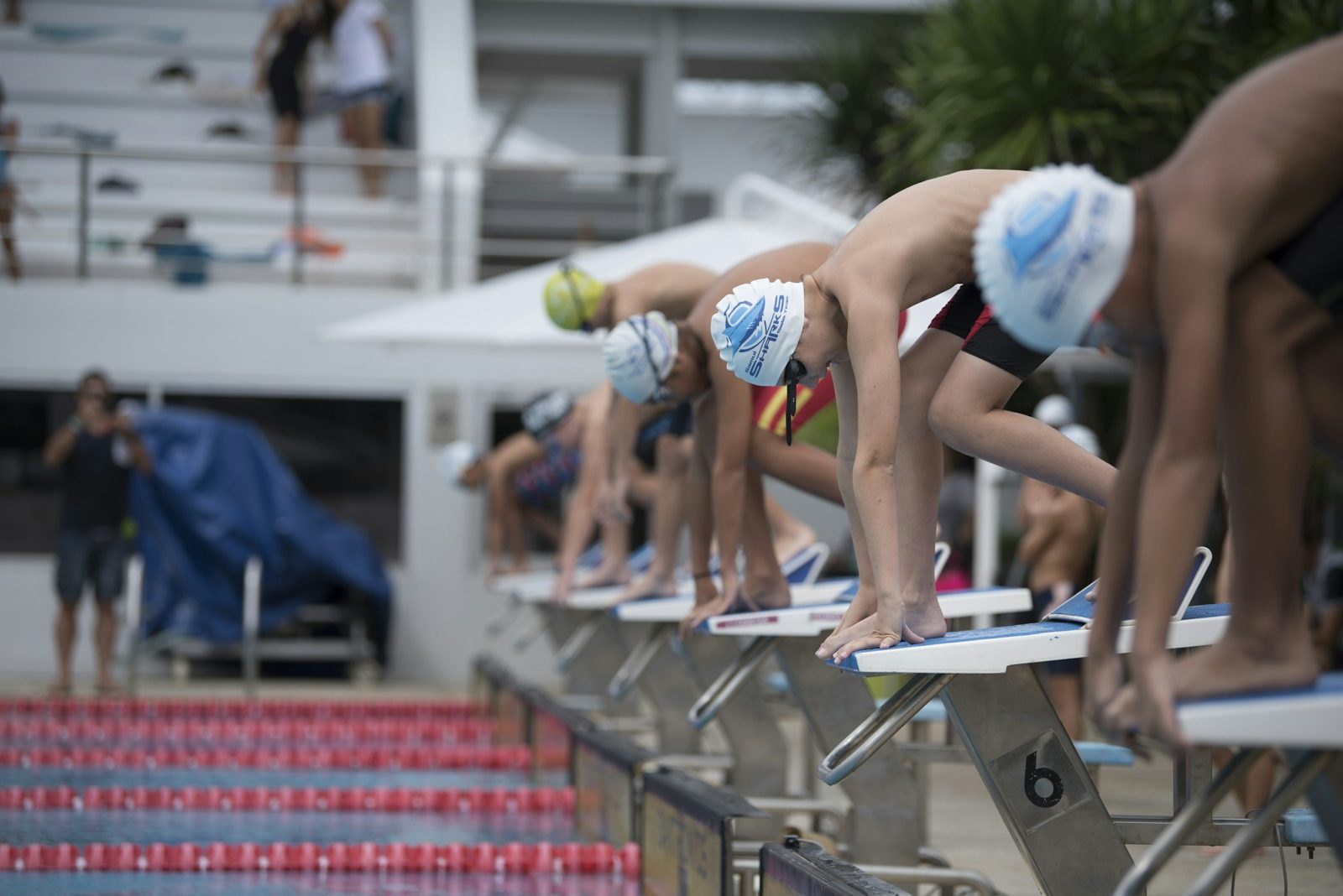
| Pool sessions | Usually two sessions a day in a 50 m pool, with lane bookings for the squad |
| Dryland and strength | Gym, mobility and core sessions planned around the pool work |
| Technique and video | Underwater filming and stroke analysis with experienced coaches |
| Racing | Time trials or meets against local clubs, where available |
| Recovery | Pool recovery, stretching, massage or ice baths |
| Rest and culture | Sightseeing and team activities on lighter days |
| Logistics | Accommodation close to the pool, meals, transfers and local support |
Your own coaches can lead the training, or local coaches can add specialist sessions. Many squads use a mix.
How to choose a destination
The right destination depends on your squad's goals, the time of year and how far you want to travel. Look at:
1. The pool. Is there a 50 m pool with guaranteed lane space for your group at the times you need?
2. Distance from the pool. Accommodation within a short walk or drive saves hours over a week.
3. Climate. Warm weather makes outdoor training pleasant, but very hot afternoons need planning.
4. Travel time and jet lag. Shorter flights mean less time lost to recovery.
5. Food. Swimmers in a heavy training block need good, plentiful meals.
For Australian squads, Southeast Asia is a popular choice: Thailand and Malaysia are warm all year and only a few hours behind the east coast, so swimmers can train well from the first full day. Japan has a strong swimming culture and excellent facilities. Europe, with destinations like Spain, suits squads combining a camp with racing in the Northern Hemisphere season.
A sample 8-day swimming camp
| Day | Program |
|---|---|
| 1 | Arrive, check in, easy swim to loosen up after the flight |
| 2 | Morning pool session, afternoon dryland and an evening technique talk |
| 3 | Two pool sessions, with underwater video filming |
| 4 | Morning pool session, afternoon off for sightseeing |
| 5 | Two pool sessions and a strength session |
| 6 | Time trial or meet against a local club |
| 7 | Recovery swim, team activity and farewell dinner |
| 8 | Fly home |
The program is adjusted to your squad's age, level and season plan. Younger swimmers get more rest and fun activities. Performance squads can add volume.
Add open-water swimming
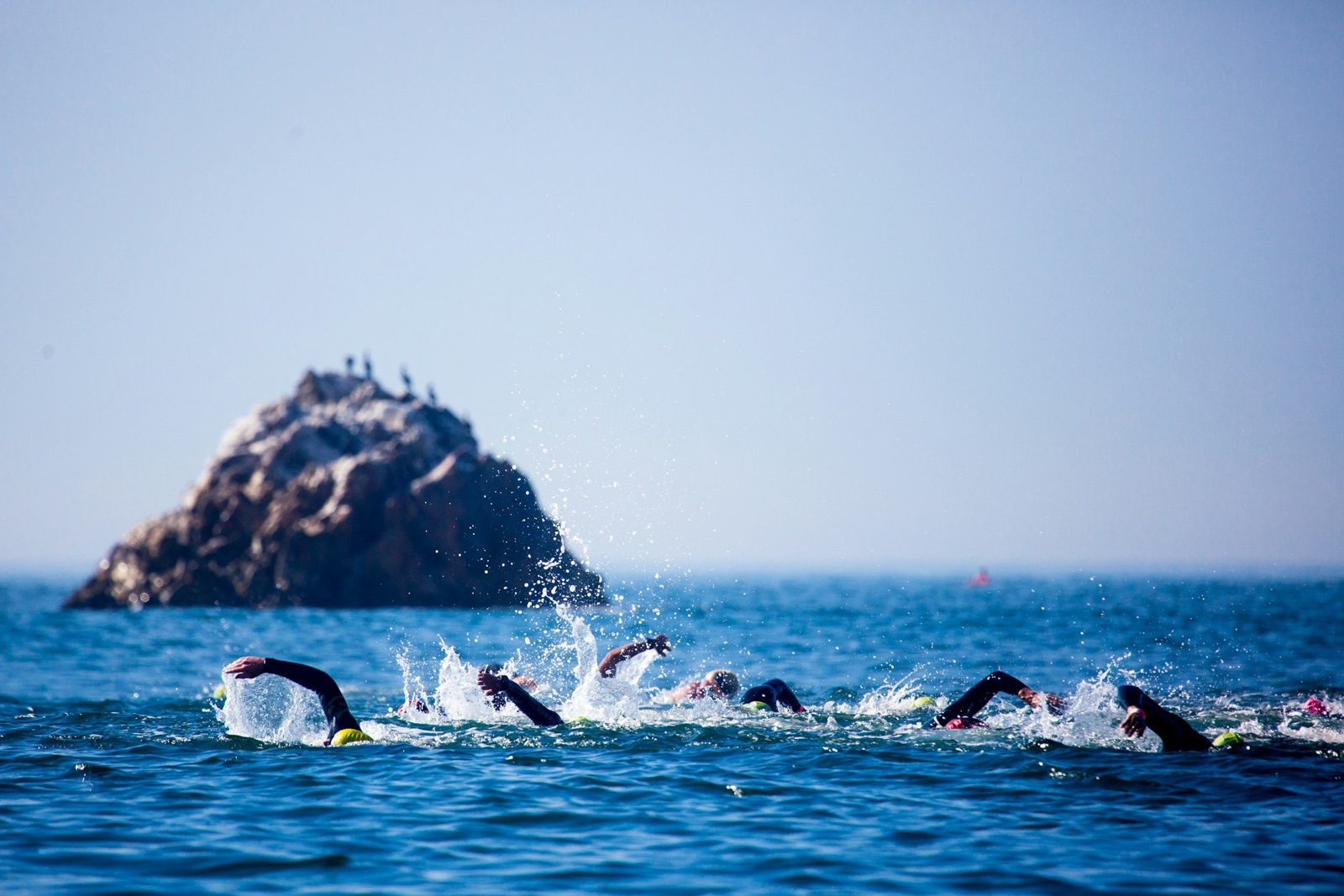
A beach destination is a chance to add an open-water session: sighting, drafting and swimming in waves. It suits squads with open-water or triathlon swimmers, and it is a fun change from the black line. Open-water sessions should always run with water safety support and only in suitable conditions.
Planning timeline
| When | What to do |
|---|---|
| 9-12 months before | Choose the camp's place in your season plan, pick dates and a destination |
| 6-9 months before | Confirm pool time, numbers and accommodation. For schools, start the approval process. |
| 3-6 months before | Book flights, collect payments and check passports and visas |
| 1-2 months before | Arrange travel insurance, share the training plan and the packing list |
| 2 weeks before | Taper or adjust training so swimmers arrive ready to work |
Many squads plan their camp at the start of a new season or as a focused block before a major meet, rather than straight after championships when swimmers need a break.
FAQs
Who are swimming tours for?
Swim clubs, school swim teams, academies and masters squads, from development squads to performance groups.
How long is a swimming training camp?
Most camps run 7 to 14 days. A week is enough for a strong training block, while two weeks suits squads adding racing or more rest days.
Can parents come?
Yes, many clubs welcome parents and supporters. They can stay at the same hotel and join the sightseeing days.
Do we need our own coach?
Most squads travel with their own coaches. Local coaches can add specialist sessions on request.
How much does a swimming camp cost?
It depends on the destination, length, group size and inclusions. Every camp is tailored, with costs on request.
Planning a camp for your squad? See our swimming tours and training camps
Or build your tour.
Plan your next sports tour
Olimpia Tour is a global sports tour operator, building fully managed tours for schools, clubs and academies worldwide — across Europe, Asia, Africa, Oceania, the Middle East and the Americas.