
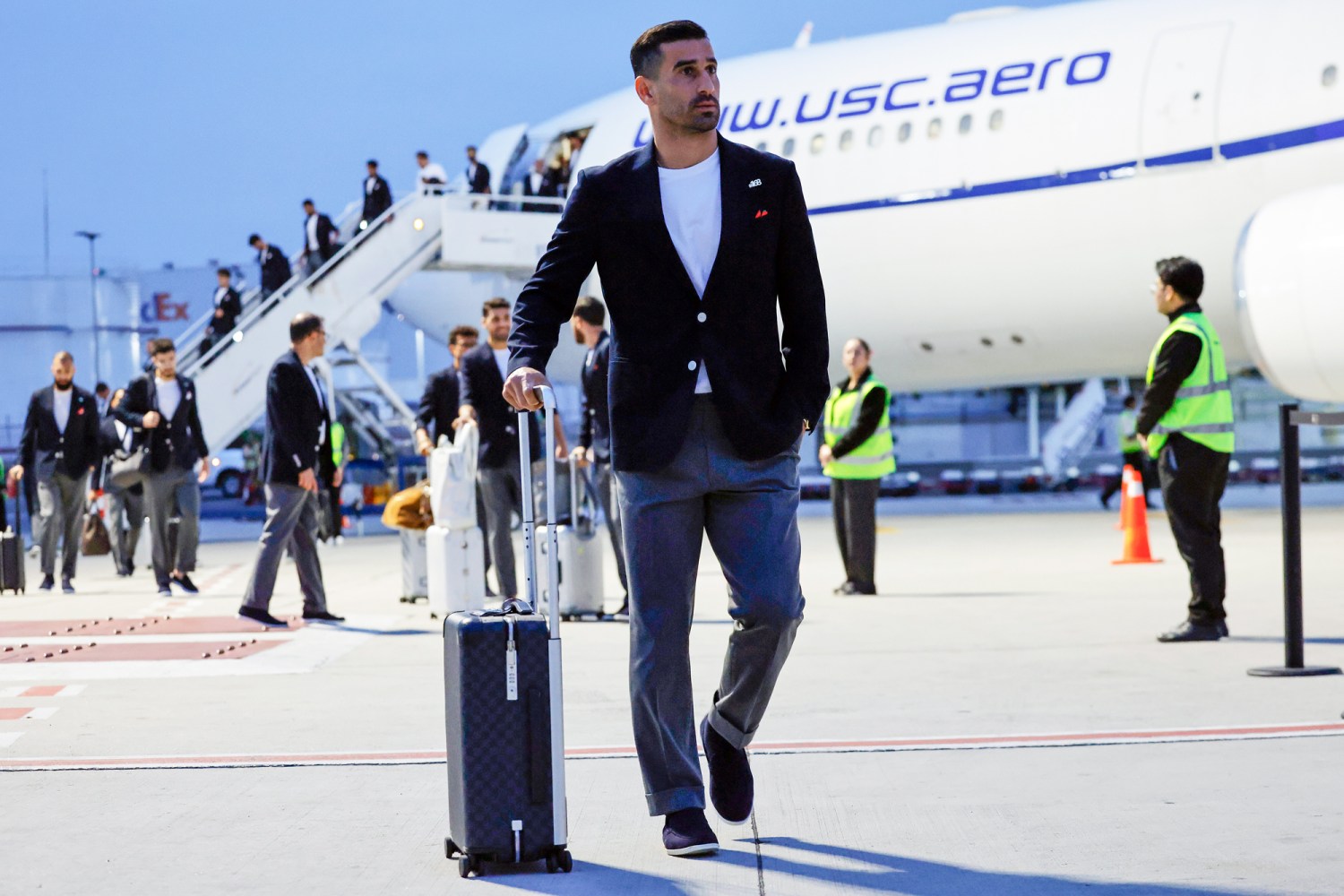
How International Travel Builds Team Cohesion in Elite Sports
Key Takeaways
- •Discover how shared adversity in unfamiliar high-performance environments accelerates trust and develops a more resilient, unified squad.
- •Understand the mechanics of how international travel builds team cohesion by dismantling rigid social hierarchies and revealing hidden leadership potential within your roster.
- •Learn why competing against foreign sporting methodologies forces players to master the non-verbal cues and tactical adaptability required for elite competition.
- •Explore how immersion in global sporting cultures fosters a profound sense of team identity and shared purpose that transcends the training pitch.
- •Identify how professional end-to-end tour management preserves coaching focus, ensuring every moment of the itinerary is optimised for collective growth.
The most sophisticated tactical board in the world cannot fix a locker room where players only communicate in cliques. You have likely felt the frustration of watching a talented squad stagnate in a familiar local environment, where rigid social hierarchies stifle the very communication needed for elite performance. Professional coaches understand that deep trust is not forged during routine drills; it is earned when the stakes are high and the surroundings are unfamiliar. This is exactly how international travel builds team cohesion for elite programmes. By removing athletes from their comfort zones, you force a reliance on one another that simply cannot be replicated at home.
In this guide, you will discover how elite sports tours forge unbreakable bonds through shared adversity, cultural immersion, and high-performance competition. We examine the transformative power of immersive experiences, such as the Buenos Aires Football Experience, where competing against top-tier Argentine methodology demands a new level of collective identity.
The Psychology of Shared Adversity: Why Travel Transcends the Training Pitch
Team cohesion in high-performance environments is the invisible thread that connects tactical execution with emotional trust. While standard training sessions focus on physical output, they often fail to address the underlying social hierarchies that limit communication. This is precisely how international travel builds team cohesion; it acts as a psychological catalyst by removing the safety nets of familiar routines. When elite athletes leave the comfort of their home facilities, they move from a state of individual autopilot into a state of collective awareness.
The Science of Novel Environments
New stimuli significantly impact the way a squad processes social information. The novelty effect ensures that when players navigate a new culture or climate, their cognitive focus shifts toward the group for stability. This heightened state of alertness prioritises social bonding, as the brain seeks to establish security within the immediate team. These first-time shared experiences, whether navigating a foreign city or adjusting to a new climate, create vivid collective memories that serve as the foundation for long-term squad morale.
Forging Resilience Through Shared Struggle
True growth occurs when a team moves beyond the common enemy of travel logistics and focuses on the shared goal of competitive excellence. Facing elite international opponents forces immediate on-field communication that cannot be rehearsed. Players are required to synchronise their movements and non-verbal cues against unpredictable, high-intensity playing styles. This environment builds a fortress mentality, where the squad learns to generate its own momentum without the psychological cushion of home support.
Breaking the Social Script: How New Environments Reveal Informal Leadership
Within the confines of a home stadium, social stratifications often become calcified. Players settle into fixed roles based on seniority, talent, or existing personality types. This is exactly how international travel builds team cohesion; it shatters these established scripts. By placing a squad in a foreign environment, you remove the environmental cues that sustain cliques, forcing athletes to interact through a lens of necessity rather than habit.
Hierarchy vs. Authenticity on Tour
On tour, the traditional seniority of older players often shifts as the entire group faces the same steep learning curve. Shared living spaces, such as team hotels and travel hubs, humanise coaches and captains in ways the training pitch cannot. This proximity fosters psychological safety, allowing players to express vulnerability. When a veteran player admits to being out of their depth in a new city or struggling with a language barrier, it levels the playing field. These authentic interactions build interpersonal trust that translates directly into better on-field communication.
The Emergence of Natural Leaders
Travel logistics provide a unique laboratory for identifying informal leadership that often remains hidden in routine environments. While tactical leaders are chosen by coaches, natural leaders emerge during the transitions of an international tour. These are the players who take initiative when navigating a foreign transit system or coordinating team movements in a busy city. Coaches can identify future captains by watching who remains composed during logistical delays and who proactively assists younger teammates during cultural navigation.
The Competitive Catalyst: Tactical Cohesion in Foreign High-Performance Hubs
Tactical unity is often a theoretical concept until it is tested by fire. When a team enters a high-performance hub like Buenos Aires or Rosario, they are not just playing a game; they are entering a laboratory of competitive intensity. By facing opponents who operate under a different sporting logic, players must abandon their individual tendencies and synchronise their movements with absolute precision. The traditional forming, storming, norming, performing cycle, which might take a full season to navigate at home, is compressed into a matter of days when the squad is forced to adapt to elite international standards.
Adapting to the Argentine Methodology
Immersing a squad in the world-renowned Argentine methodology requires a level of focus that standard training environments cannot demand. The sheer intensity of the local game forces a collective shift in mindset. Players cannot rely on familiar domestic patterns. They must adapt to the aggressive, technical style and high-press environments typical of South American professional clubs. This requirement for tactical flexibility becomes a profound team-bonding exercise in itself.
Non-Verbal Cues and On-Field Intuition
Facing unpredictable professional opponents develops a shared language that transcends verbal instruction. Under the pressure of an international crowd, verbal commands are often lost in the noise, forcing players to rely on non-verbal cues and intuitive understanding. This on-field intuition is a direct byproduct of how international travel builds team cohesion. The chemistry developed while defending a lead against a professional Argentine side does not stay on the tour; it carries over into the regular season.
Cultural Immersion and the Development of a Collective Team Identity
Elite competition requires more than just tactical synchronisation; it demands a soul. While home environments focus on the mechanics of the game, international tours focus on the identity of the group. Immersing a squad in a sport-obsessed culture, such as the high-intensity atmosphere of Argentina, provides a powerful catalyst for this transformation. When players witness a society where every match is treated with religious fervour, they are forced to evaluate their own dedication and pride in the jersey.
The Passion Mirror: Learning from Argentine Fans
Witnessing professional sporting culture in South America changes an athlete's perspective on what it means to be part of a team. The raw, unfiltered energy of local fans provides a benchmark for intensity that few domestic leagues can match. Beyond the stadium, participating in local traditions like the Argentine asado fosters informal connection in a way that corporate team-building never could. By sharing these unique cultural milestones, the squad develops a team legend that belongs only to them, creating a private history that fuels their on-field unity.
Defining the Team Mission Abroad
The away-from-home setting is the most effective time to redefine team values. Without the distractions of family, social media, or local routines, players are more receptive to deep discussions about the squad's mission. Use this time to establish lasting traditions that originate on the tour, whether it is a specific pre-match ritual or a new set of internal standards. By forging these values in a foreign land, they become more resilient and harder to break when domestic pressures return.
Designing the Elite Experience: Integrating Cohesion into Your Tour
Designing a high-performance itinerary requires a surgical focus on the intersection of competitive rigour and social psychology. It is not enough to simply book matches; a coach must curate an environment where every logistical detail serves the broader goal of squad unity. By offloading the complexities of travel to experts, the coaching staff can dedicate their full attention to observing and nurturing the group's evolving dynamics.
Balancing Intensity and Downtime
A successful tour schedule mirrors the rhythm of professional pre-season camps. It balances the high-pressure environment of matches against top-tier professional clubs with intentional periods of unstructured bonding. These moments of downtime are where a shared identity takes root. Our commitment to end-to-end management ensures that you are not distracted by transit or accommodation, allowing you to remain the primary architect of your team's culture while we handle the operational burden.
The Olimpia Tour Approach to Elite Cohesion
We position the Buenos Aires Football Experience as more than just a trip; it is the ultimate laboratory for collective growth. Our methodology goes beyond standard tourist paths, providing exclusive access to world-class environments in Buenos Aires and Rosario. By facilitating matches against Argentine professional clubs, we provide the ultimate test of unity that forces players to rely on the non-verbal cues and resilience they have developed throughout the journey. You are not just taking your players abroad. You are building a more resilient, unified programme capable of competing at the highest levels.
Ready to forge unbreakable bonds within your squad? Enquire about a bespoke Argentine sports tour and our team will design a fully managed itinerary around your goals. Prices are on request, reflecting the tailored nature of every tour.
Frequently Asked Questions
How long does an international tour need to be to build team cohesion?
A duration of 10 to 14 days is generally the ideal window to achieve significant psychological shifts within a squad. This timeframe allows initial travel fatigue to subside while providing enough immersion for the group to move through the critical phases of team development. Shorter trips often fail to provide the depth of experience required for lasting change, while longer tours can lead to physical burnout that diminishes the positive impact on squad dynamics.
Why is Argentina considered a top destination for sports team bonding?
Argentina offers a unique combination of high-intensity sporting passion and world-renowned methodology that acts as a powerful catalyst for unity. The local culture's deep emotional investment in sports like football and rugby provides an aspirational environment for visiting athletes. Facing the technical rigour of local professional clubs forces a level of collective focus and resilience that is difficult to replicate elsewhere.
Can individual player internships benefit the cohesion of the home team?
Individual player internships significantly enhance the home team's unity by developing specialised leadership and technical expertise that is shared upon return. When a player completes an immersive experience in Argentina, they bring back advanced tactical knowledge and a professional mindset that elevates the entire roster. This ripple effect encourages teammates to adopt higher standards.
What is the common enemy effect in sports travel?
The common enemy effect occurs when a squad faces external challenges that force them to unite for collective success. In the context of an elite tour, this enemy can be a hostile away crowd, an unfamiliar climate, or a tactically superior opponent. By facing these obstacles together, players naturally move away from internal social hierarchies and instead prioritise the collective effort required to overcome the immediate external pressure.
How do coaches maintain the cohesion built during a tour once they return home?
Coaches maintain tour-built cohesion by integrating new traditions and shared values into their domestic training routines. It is essential to reference specific tour milestones or tactical successes during regular-season debriefs to keep the collective memory alive. Establishing a pre-match ritual that originated during the trip ensures that the resilient squad identity survives the transition back to local league competition.
Is a competitive tour better for bonding than a leisure-focused sports trip?
A competitive tour is vastly superior for building authentic trust because it requires vulnerability and collective effort under extreme pressure. While leisure trips provide relaxation, they rarely challenge a squad's resilience or tactical synchronisation. High-stakes competition against elite opponents demands that players master non-verbal cues and rely on one another.
How does playing against professional clubs improve squad trust?
Playing against professional clubs improves squad trust by creating a high-stakes environment where individual errors have immediate, collective consequences. To succeed against such high-caliber opposition, players must have absolute confidence that their teammates will fulfil their tactical roles. This mutual reliance, tested in the heat of a professional-grade match, builds a deep, intuitive trust that carries over into every subsequent competitive encounter.
From Cliques to Cohesion
The science of how elite international tours forge unbreakable team bonds by transcending the limits of the training pitch.
The Performance Environment Shift
The Comfort Zone Trap
- –Rigid Social Hierarchies: Seniority and cliques dictate communication, stifling authentic interaction.
- –Stagnated Growth: Players operate on individual autopilot, rarely pushed beyond their established roles.
- –Limited Resilience: The psychological cushion of home support prevents true collective fortitude developing.
The Cohesion Catalyst
- +Forced Interdependence: Navigating unfamiliar environments creates a state of collective awareness and trust.
- +Authentic Bonds: Shared adversity and new experiences dismantle social barriers, humanising teammates.
- +Accelerated Resilience: Overcoming challenges on foreign soil forges a powerful “fortress mentality” and unified identity.
The Transformation Blueprint
1. Disrupt the Mundane
Removing athletes from their comfort zones shifts cognitive focus toward the group for stability. The novelty of new cultures and climates prioritises social bonding and creates vivid, collective memories.
2. Forge Bonds Through Adversity
Facing elite international opponents forces immediate, high-stakes communication. Players must synchronise non-verbal cues and tactical decisions, building a collective resilience that drills cannot replicate.
3. Shatter the Social Script
The traditional hierarchy of seniority dissolves as the entire group faces a steep learning curve together. This fosters psychological safety and vulnerable, authentic interactions that build deep trust.
4. Reveal Informal Leadership
The unpredictable nature of travel provides a unique laboratory for identifying natural leaders — the athletes who take initiative navigating foreign transit or coordinating team logistics.
Core Outcomes of an Elite Tour
Enhanced Squad Resilience
A unified squad capable of generating its own momentum under pressure.
Tactical Adaptability
Mastery of non-verbal cues and adaptability against foreign playing styles.
Hidden Leadership Emerges
Reveals informal leaders who thrive in unstructured, high-pressure situations.
Stronger Collective Identity
Cultural immersion fosters a shared purpose that transcends the training pitch.
OLIMPIATOUR.COM.AU
Elite International Sports Tours — Fully Managed End-to-End
Plan your next sports tour
Olimpia Tour is a global sports tour operator, building fully managed tours for schools, clubs and academies worldwide — across Europe, Asia, Africa, Oceania, the Middle East and the Americas.