
A guide for coaches
How Playing Overseas Develops Young Players
“The best lessons on tour don't happen in training. They happen when everything is unfamiliar.”
Playing overseas is one of the fastest ways to develop young players. Not because the pitches are better or the trip is exciting, but because everything players rely on at home is taken away for a week or two. This guide covers the three challenges young players face in an unfamiliar football environment, why each one makes them better, and how coaches can get the most out of a tour.
Step 1 · The game
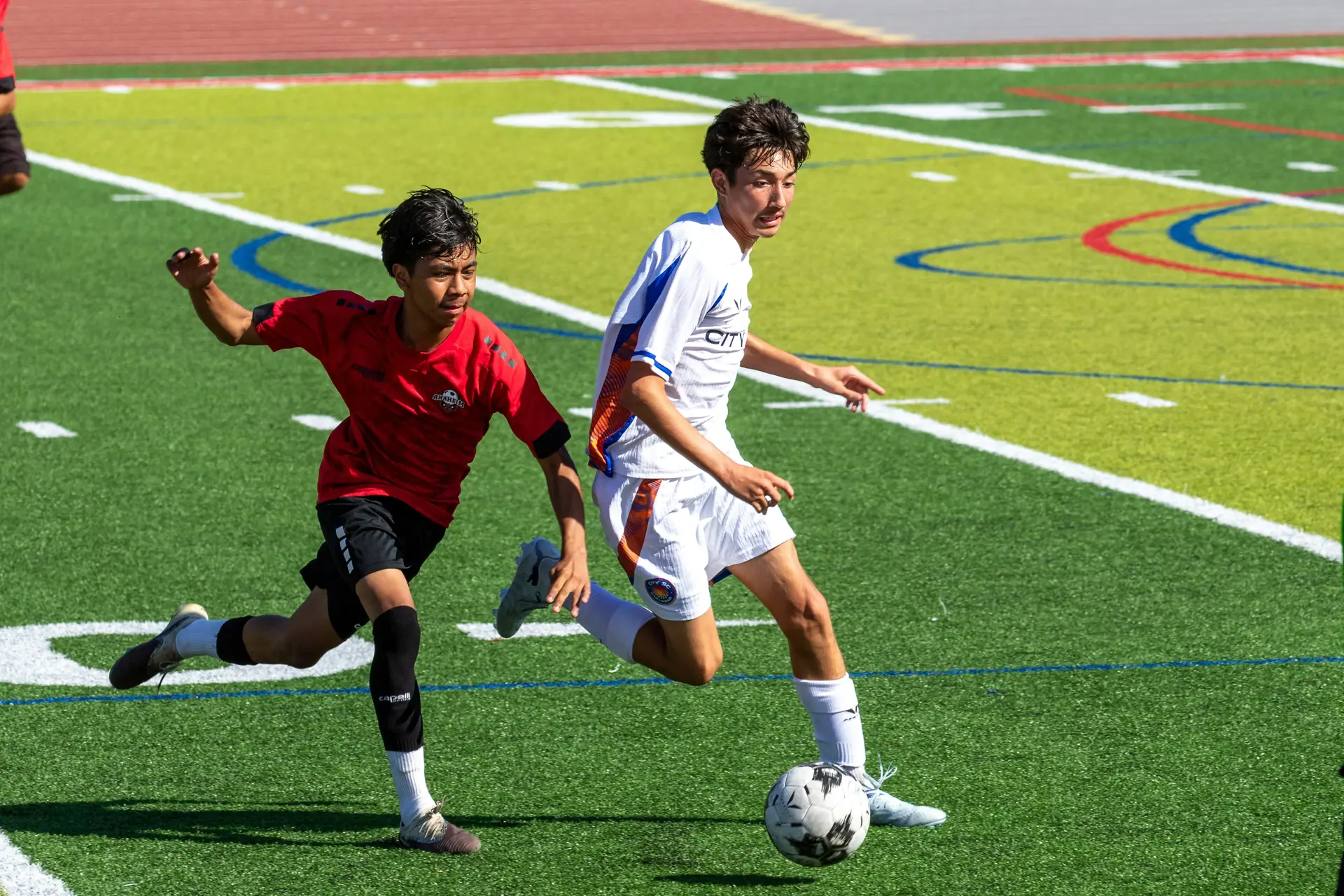
Challenge 1: A different style of football
At home, players know their opponents. They know how the local teams press, how fast the game is, and where the space is. Overseas, that disappears.
01
In Spain, teams often keep the ball and move it quickly through tight spaces.
02
In Brazil and Argentina, players take people on one-on-one and play with flair.
03
In England and Northern Europe, games are often more physical and direct.
Why it develops players: they have to read the game instead of relying on habit. Players who have only ever seen one style learn there is more than one way to win.
Step 2 · The pressure
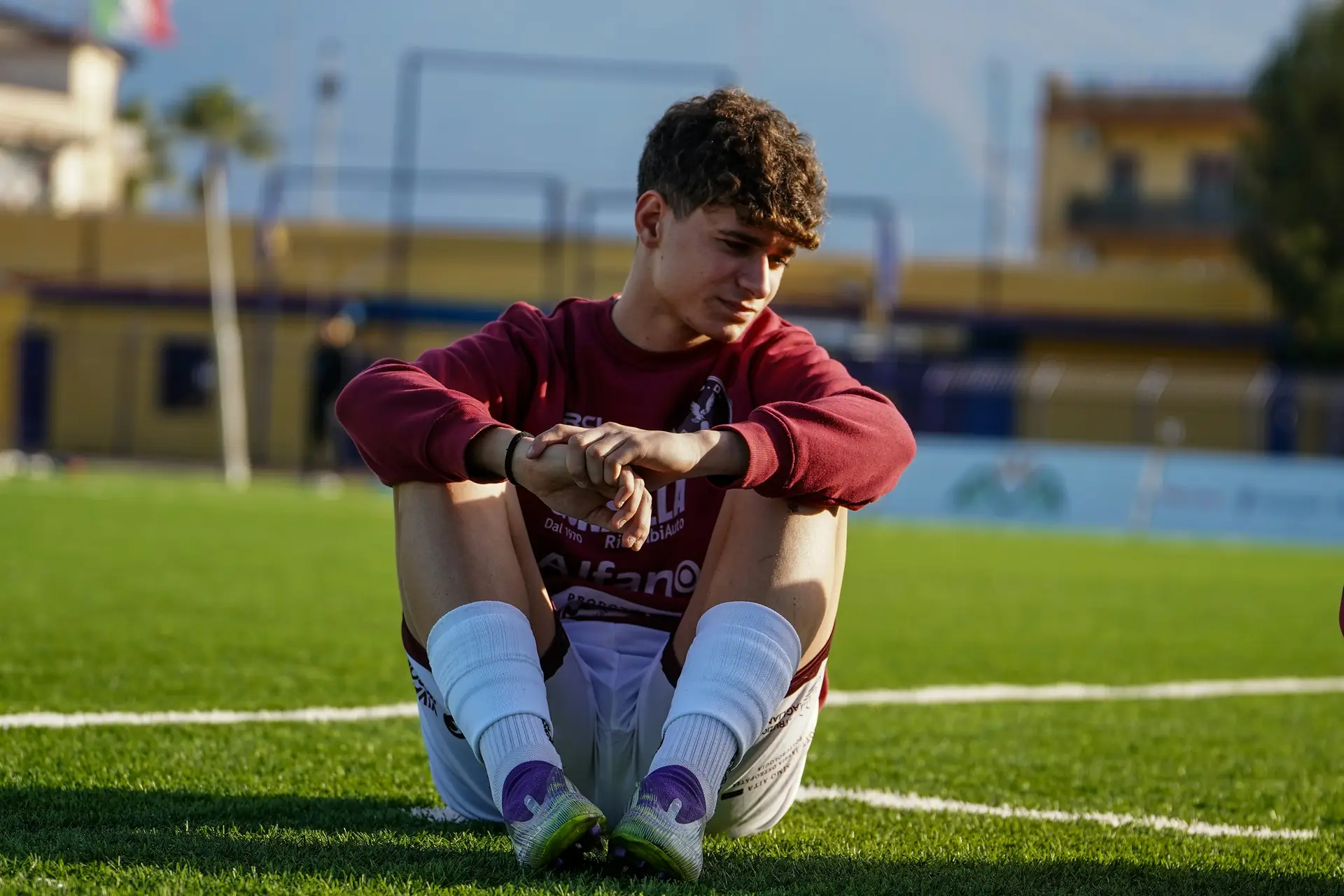
Challenge 2: Pressure in an unfamiliar environment
New pitch, new referee, a different language around them, sometimes heat or a crowd. Small things that are automatic at home suddenly need attention.
Why it develops players: coping with discomfort is a skill. Players learn to focus on what they can control, communicate more with teammates and stay calm when things don't go to plan. That carries into every match they play afterwards.
Step 3 · Off the pitch
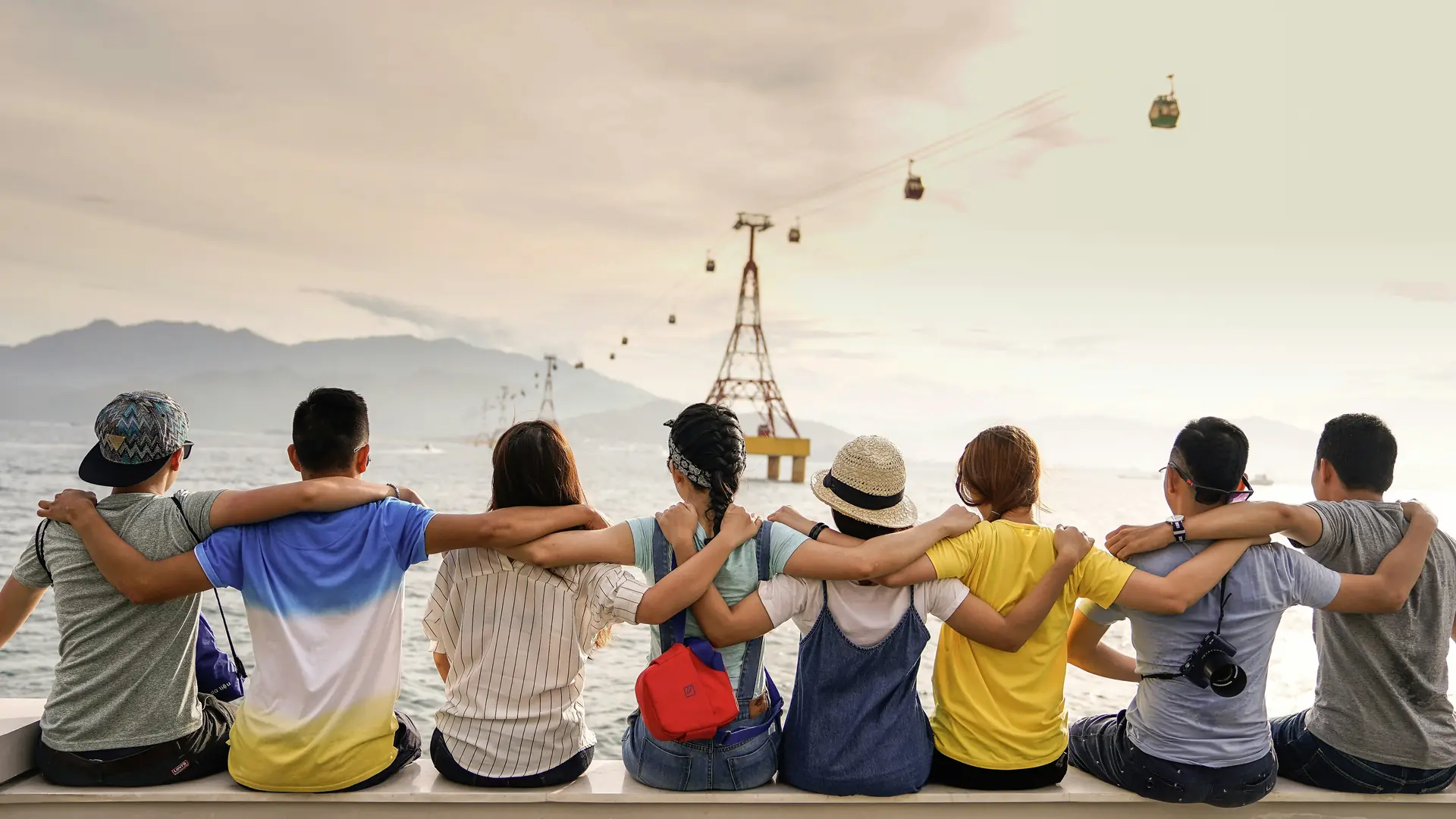
Challenge 3: Life away from home
On tour, players pack their own kit, manage their time, try new food and share rooms. Coaches and teachers are close by, but parents aren't.
Why it develops players: independence and responsibility grow quickly when there's no one to do it for them. And a squad that travels, struggles and celebrates together usually comes home closer than when it left.
The result
What players bring home
| Area | What changes |
|---|---|
| Football | What changesReading the game, adapting to different styles, decision-making under pressure |
| Mindset | What changesResilience, discipline and confidence in unfamiliar situations |
| People skills | What changesCommunication, respect for other cultures, making friends in new teams |
| The team | What changesStronger relationships, shared stories and a clearer team identity |
“Sport has taken me around the world, and it developed me more than any classroom, as a player and as a person. Years later, when my friends and I get together, it's still the tours we talk about.”
Step 4 · For coaches
How coaches can get the most out of a tour
- 1
Set two or three goals before you leave. For example: playing out from the back under pressure, or communicating more on the pitch.
- 2
Choose opposition that stretches your team. Matches that are too easy or too hard teach little. Opponents should be matched to your age and level.
- 3
Give players responsibility. Kit, timekeeping, team talks. Let them own parts of the tour.
- 4
Debrief after every match. Ten minutes on what was different and what the team learned.
- 5
Bring it home. In the first training session back, revisit the goals and keep what worked.
Quick answers
FAQs
What age is best for a first overseas tour?
Many teams start around U13 to U16, when players are old enough to look after themselves with support and young enough for the experience to shape them.
Is one tour enough to make a difference?
One well-planned tour can change how players see the game and themselves. The goals you set before and the debrief after make the biggest difference.
Do players need to be elite?
No. Opposition is matched to your team's age and level, so every player gets competitive games.
Planning a tour for your team?
Photos: Felipe Oliveira, Alfonso Scarpa and Duy Pham / Unsplash.