
Football tours · Spain
Football Tours to Spain: A Guide for Schools, Clubs & Academies
A football tour to Spain gives school, club and academy teams matches against Spanish sides, coaching from local coaches and a week inside one of the world's great football cultures. Here's how a tour works, where to go and when to travel.
Spain works for teams from any country, whether you're a school group from Australia, a club from the UK or an academy from North America. The football is technical and well coached, the main cities are easy to get around, and there is plenty to do off the pitch. This guide covers the main regions, what a typical tour includes, the travel windows that suit schools and clubs, and how to fit in a professional match.

The football
Why Spain for a football tour
Spanish football is built on keeping the ball. From a young age, players learn to pass quickly, move into space and stay calm under pressure. Playing against Spanish sides shows your players a different way of thinking about the game, and training with local coaches gives them drills and ideas they can take home.
Spain also keeps the logistics simple. The big cities have international airports and fast trains between them, so a tour can combine two regions without long days on a bus. Local clubs train on both grass and artificial pitches, and hotels in the main football areas regularly host sports groups.
Off the pitch there is history, food, beaches and a relaxed pace of life that players remember long after the trip. A good tour mixes football with culture, so the week feels like more than a training camp. You can read more about touring the country on our Spain tours page.
01
Technical football
Matches against Spanish sides of a similar age and level, subject to availability.
02
Local coaching
Sessions led by local coaches, focused on possession, pressing and decision-making.
03
Easy to combine
Fast trains link Madrid, Barcelona, Valencia and Málaga, so a two-city tour is realistic.
The destinations
Where to go
Each region has its own feel. Many teams choose one base for the whole tour, while others split the week between a city and the coast. These are the five areas we recommend most often.
Barcelona

Madrid
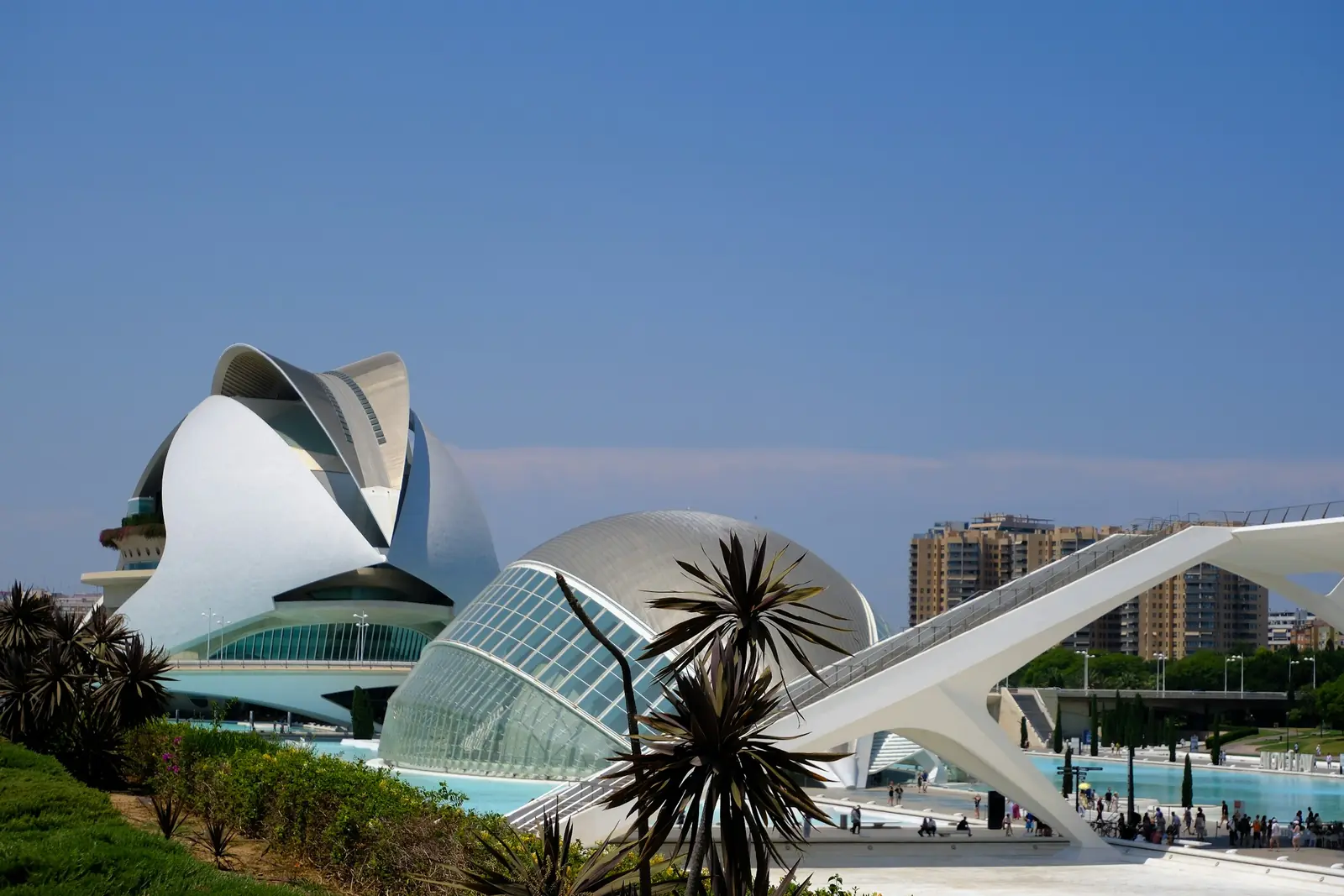
Valencia
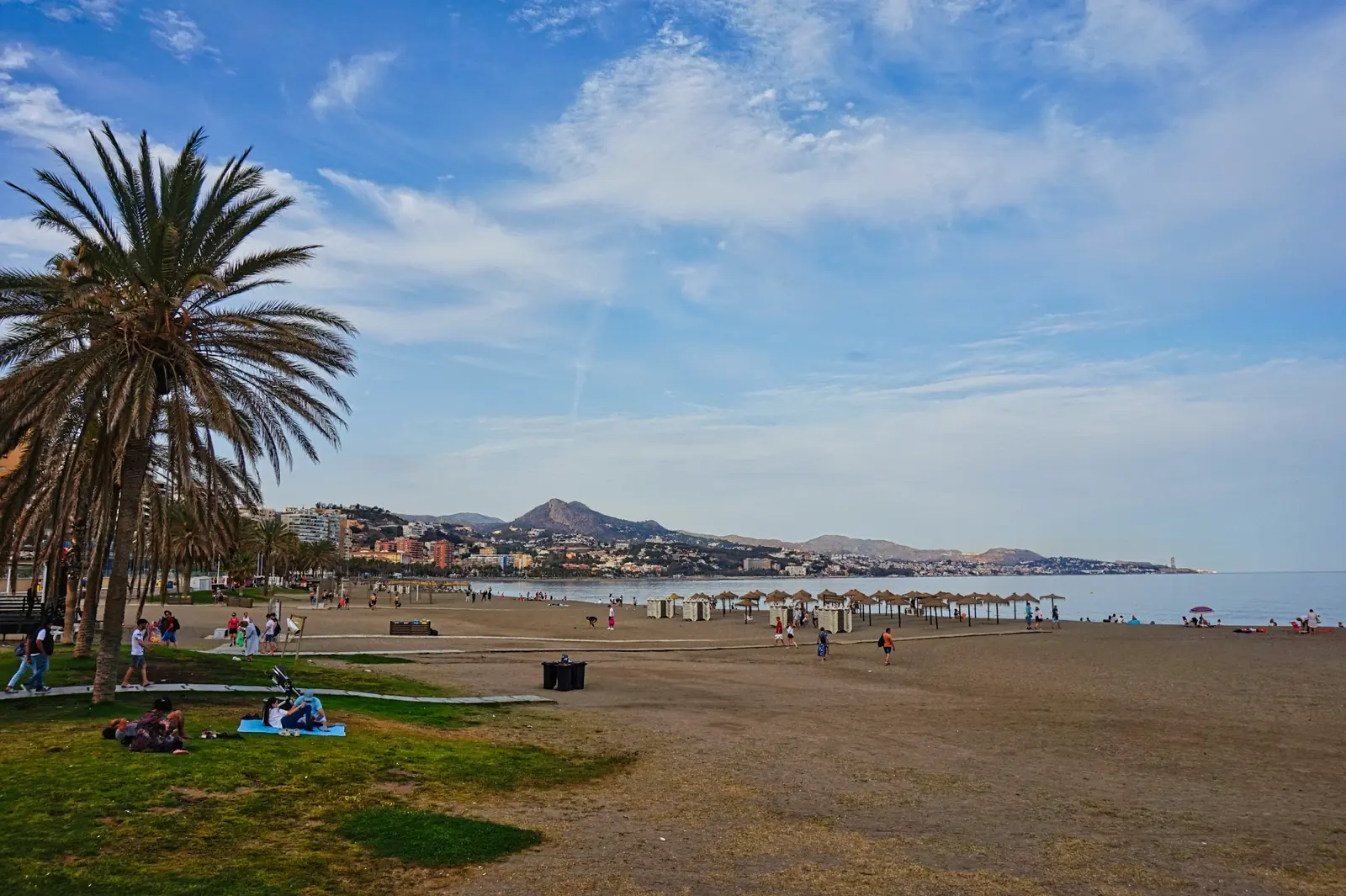
Costa del Sol
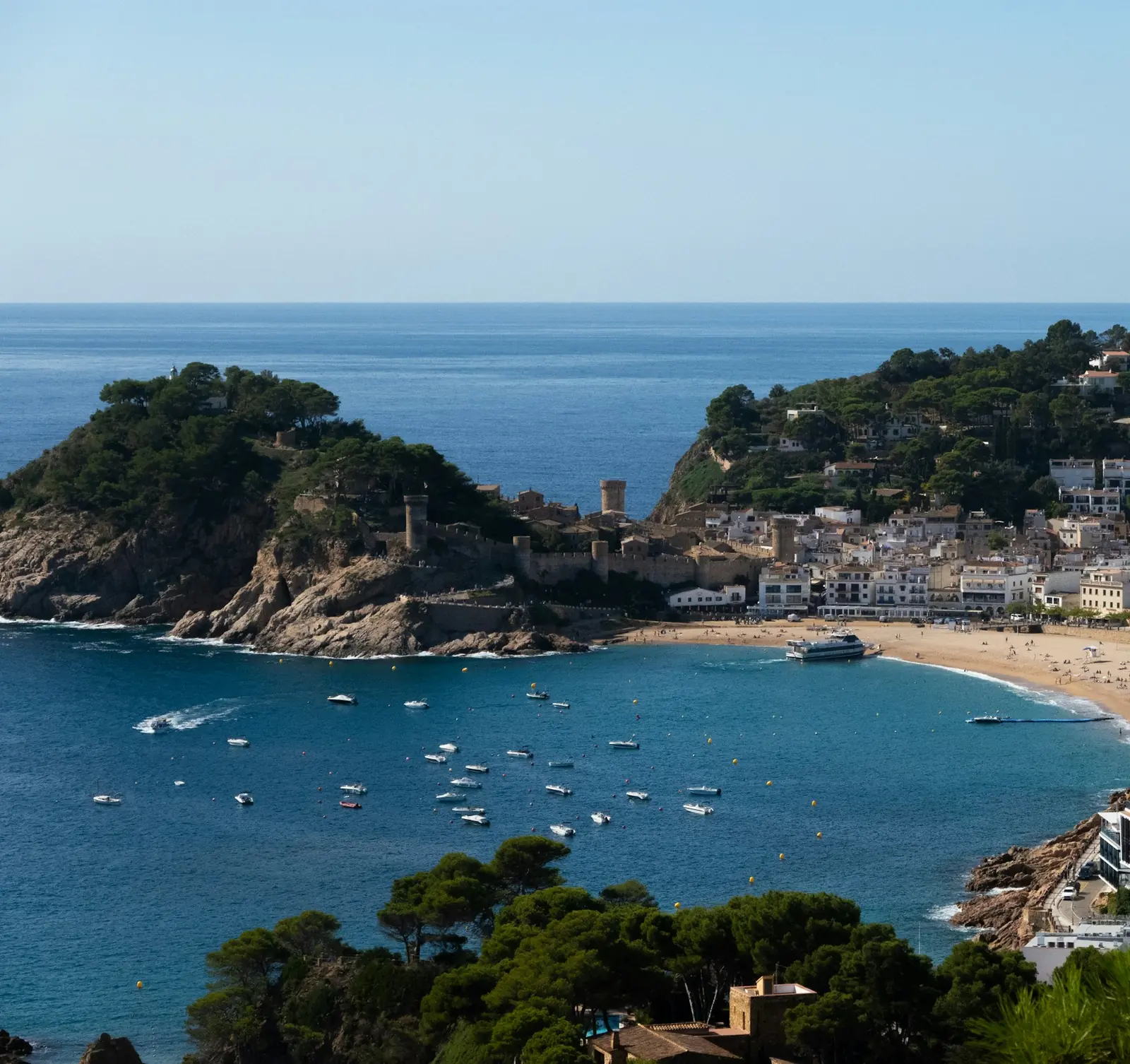
Costa Brava
| City | Best for | What teams do there |
|---|---|---|
| Barcelona | Best forBig-city tours that mix football and culture | What teams do thereFriendlies against local sides (subject to availability), coaching sessions, sightseeing, beach time and the chance to watch a professional match, schedule permitting |
| Madrid | Best forFirst tours, school groups and history lovers | What teams do thereTraining with local coaches, friendlies (subject to availability), museums and parks, and the chance to watch a professional match, schedule permitting |
| Valencia | Best forClubs and academies wanting a football-focused week | What teams do thereFriendlies (subject to availability), coaching sessions, the City of Arts and Sciences and the city beach |
| Costa del Sol | Best forPre-season and winter or spring training | What teams do thereDaily training, recovery sessions and friendlies (subject to availability) from a base near Málaga |
| Costa Brava | Best forSummer tours and tournaments for younger teams | What teams do thereYouth tournaments, training on the coast, beach towns and day trips to Barcelona |
Barcelona and Madrid suit teams who want sightseeing alongside their football. Valencia and the two coasts suit teams who want more time on the pitch and a quieter base. Our school sports tours and club sports tours pages explain how we plan for each type of group.
The tour
What a tour includes
Every tour is built around your team's age, level and goals, so no two are the same. Most football tours to Spain include the same core parts:
- 1
Matches. Two to four friendlies against Spanish teams matched to your age and level, subject to availability.
- 2
Coaching. Training sessions with local coaches, planned around what your own coaches want to work on.
- 3
Accommodation. Hotels that suit sports groups, with the team staying together.
- 4
Transport. Airport transfers and a private coach for match days, training and excursions.
- 5
Meals. Meals planned around training and kick-off times.
- 6
Culture. Sightseeing, a city tour or a beach day, depending on where you stay.
- 7
Support. A tour manager on the ground, and our team in contact before and during the trip.
Teams that want a focused training block before their season can turn this into a pre-season camp, with more sessions and fewer excursions. If your coaching staff want to develop their own skills, a coaches clinic tour in Barcelona or Madrid is built around them. You can see every option on our football tours page.
The timing
When to travel
The right time depends on your own calendar and what you want from the tour. School holidays and football seasons differ from country to country, so it's worth starting with your dates and working back from there.
01
School holidays
Spanish youth teams play from about September to June, so spring and autumn breaks are the easiest times to arrange friendlies. In July and August many local teams are on their summer break, so summer tours lean more on tournaments and coaching.
02
Pre-season windows
Club and academy teams often travel in the weeks before their own season. For teams in Europe and North America that usually means July or August. Southern hemisphere teams often look at January or February, when the south coast is mild enough to train.
03
Weather
Summer is hot, especially inland and in the south, so sessions are planned for mornings and evenings. Spring and autumn are mild across most of the country. Winter is cooler in the centre and north, and milder on the Costa del Sol.
As a guide, school groups should start planning 9 to 12 months ahead, because approvals and fundraising take time. Clubs and academies can usually work with 6 to 9 months.

Match day
Watching a professional match
For many players, seeing a live game in Spain is a highlight of the tour. We can include the chance to watch a professional match, schedule permitting, and plan the rest of the day around it.
Fixture dates and kick-off times are often confirmed only a few weeks ahead, and they can still move after that. That means no match can be promised when you book. The professional season in Spain runs from around mid-August to late May, so tours in June and July have fewer options.
If there's no suitable match on your dates, a stadium tour or a local youth or women's game can be a great alternative, and often a more relaxed one for younger players.
Match tickets are not part of the tour package and depend on fixtures and availability. We'll tell you what's possible for your dates before anything is booked.
Quick answers
FAQ
How long is a football tour to Spain?
Most tours run for 7 to 10 days. That gives time for two to four matches, several training sessions and some sightseeing without making the week too tiring for players.
What ages and levels can go on a tour?
Teams from around under-10s to adults can tour, including school, club, academy, girls' and women's teams. Opponents are matched to your age and level, subject to availability.
Can teams from outside Australia book a tour?
Yes. We plan tours for teams from any country, including the UK, Europe, North America and Asia. The planning process is the same wherever you travel from.
Will we play against Spanish teams?
Friendlies against local teams are a core part of most tours. Opponents are always subject to availability and are matched to your team's age and level.
Are tickets to a professional match included?
No. We can include the chance to watch a professional match, schedule permitting, but match tickets are separate and depend on fixtures and availability.
Planning a football tour to Spain?
Tell us about your team and when you'd like to travel, and we'll put together a tour plan for you.
Hero photo: Javier Mediavilla Ezquibela / Wikimedia Commons (CC BY-SA 4.0). Other photos: Raúl Mermans García, Christian Hergesell, P C, Abigail Keenan, Jorge Fernández Salas and Age Cymru / Unsplash; Aleksandar Pasaric / Pexels.